Is Originality Really THAT Important to Filmmakers?
I’ve been pontificating for weeks about originality. What the hell does it mean?
Where does it come from?
Where does it intermingle with authenticity?
And how important are any of these concepts to the people who make and love cinema?

Written by Jess Sweetman
It would be easy to slip into the role of the grumpy old lady, complaining about the state of entertainment being based in remakes, reboots, re-appraisals (actually I love a re-appraisal, now everyone go and watch THE APPLE and just look at the background artists the whole time.) And yes, art that is made to make money can be more focussed on marketing a certain brand to a certain audience, but that’s not true for ALL film.
Now THIS is an original film
Over the past decade I have utterly revelled in the originality pouring forth from the horror genre worldwide. I mean, MIDSOMAR, RAW, WEAPONS, or any of the films I watched during my Latin American horror film weekend. Although each of these films is standing on the shoulders of the giants that came before them, a way of doing things and looking at the world handed down from filmmaker to filmmaker.
As you would probably imagine, I see the most originality from the short film world - in shorts more filmmakers are available to share their most original ideas away from the incessant bottom line. But not always.
Originality and the Artistic Process
As a writer, the concept of originality plagues me, emerging as a critical whisper about half an hour after powering up my laptop, growing into a scream that carries on until long after my work is done. It’s not just about having a thought that I can claim as mine and mine alone, it’s about who I am piggy-backing off on the way and how I pay tribute to them, it’s about being respectful of the cultures that I exist amongst and not causing more harm, and it’s absolutely and completely about my own ego and the need to show people how marvellous I am as a writer (and perhaps changing the world in the process? I dunno, just spitballing here.)
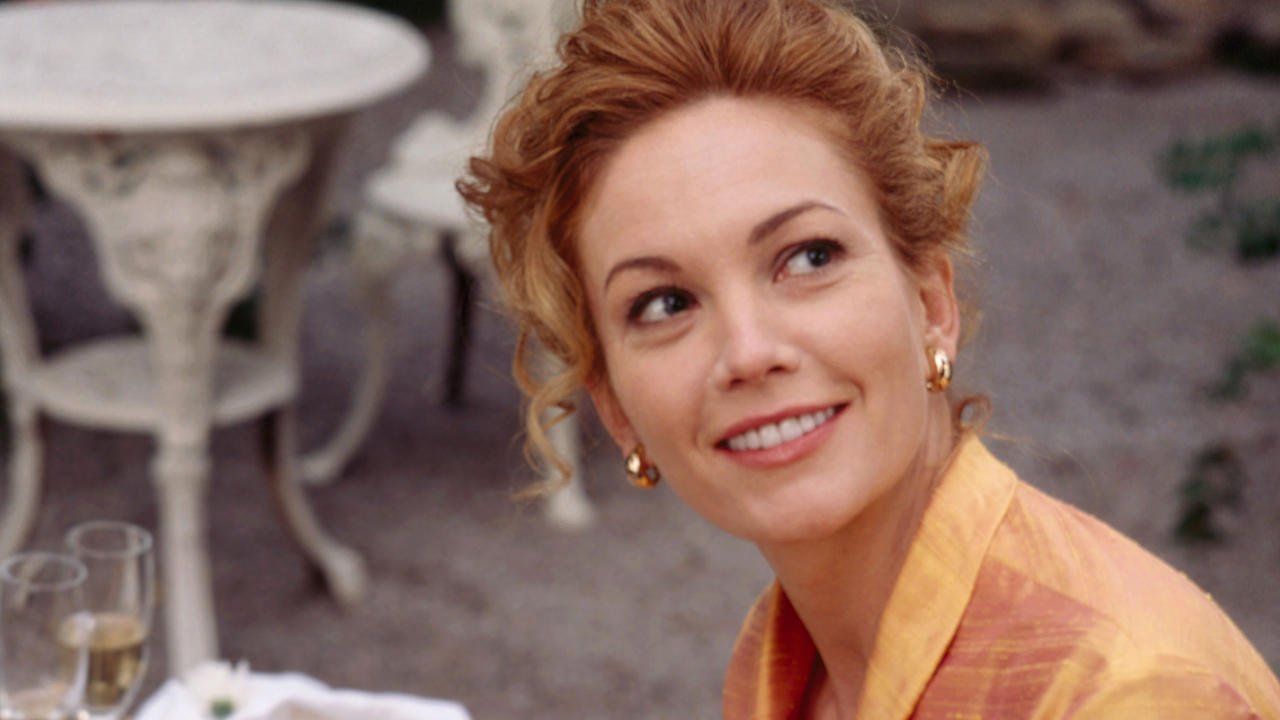
Diane Lane in “Under the Tuscan Sun” is my go-to source of wisdom.
I know it’s not just me who suffers from the originality complex. It’s a gag that South Park already did. One of my favourite mugs was a gift from my friend Dyan, a songwriter, has the motto “write now, edit later,” a gentle nudge to quiet the inner critic, or to quote Diane Lane in UNDER THE TUSCAN SUN: "Terrible ideas are like playground scapegoats. Given the right encouragement, they grow up to be geniuses."
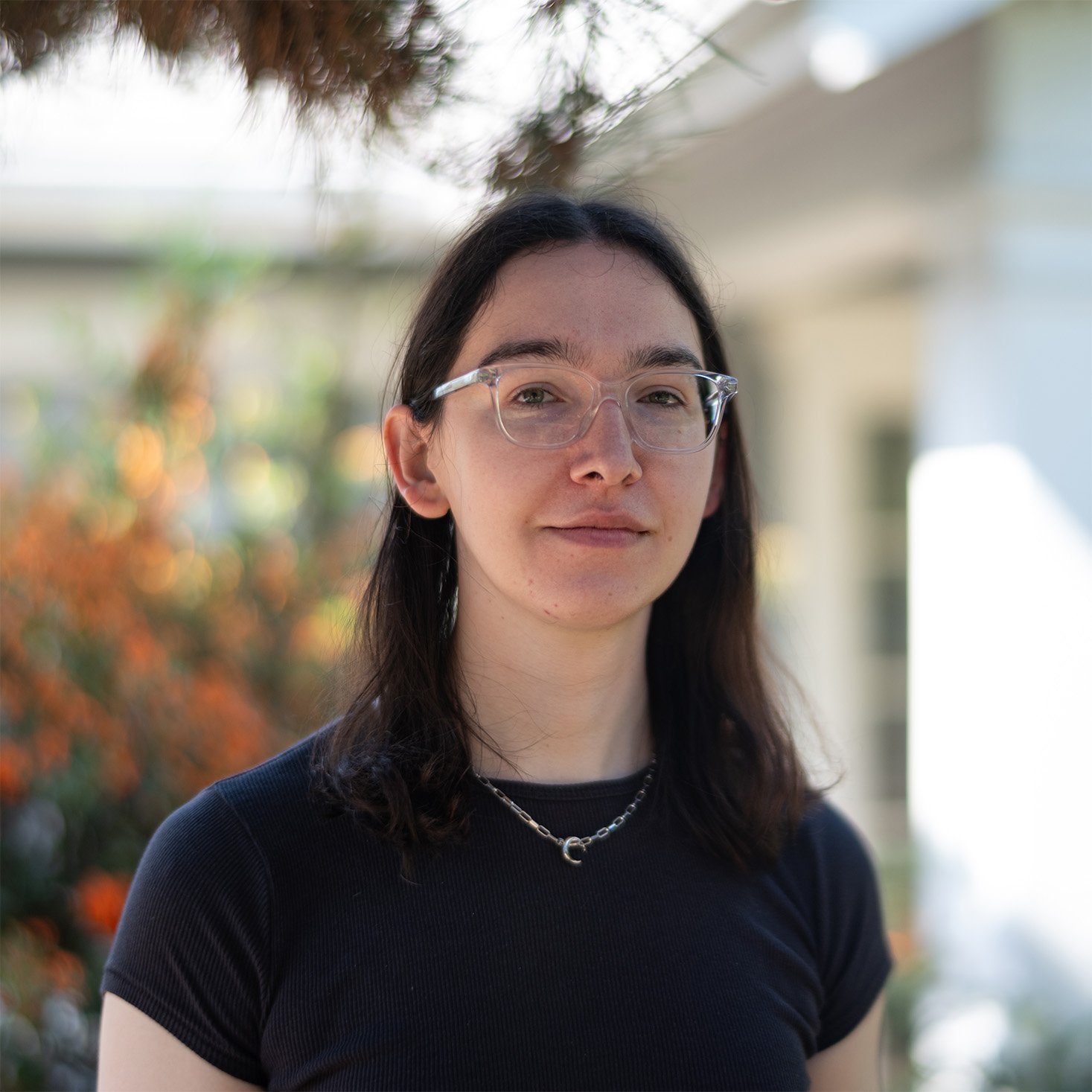
Alexandra Hayden, director of “Wall Udder”
But my tortured artist schtick grows dull quickly, I wanted to talk to some amazing filmmakers about their views on originality. I reached out to three filmmakers behind some of the most interesting films I’ve seen lately.
Alexandra Hayden directed one of the most WTF-ly original films that I’ve seen this year. WALL UDDER, screened at Final Girls Berlin (who I also work for) this year. The film takes place in a world where instead of buying milk from the store, you get it from an already installed udder attached to your wall. The udder design is - um - evocative to say the least and the plot gets weirder from there.
So where the hell do you come up with a wall udder as the central premise of your film? I’ll let Alexandra take it from here:
It’s a wall udder. Obvs.
“A couple of months before writing the film I had been hanging out with a friend who was for lack of a better word 'milk-phobic', she had hated the sight and idea of milk because of where it came from. So I teased and asked what if it came out of a 'wall udder' and then you could have any kind of flavor, you could even have 'oat'. So that's the genesis of it.”
The Wall Udder is a unique blending of intimate human experience with commerce, both unnerving and impossible to keep your eyes off (I have a Wall Udder sticker on my computer and you can really sort the horror fans from the normies in a shared workspace with one of those.) So where does originality fit into Alexandra’s creative process?:
“Originality is the most important thing to me. I don't think I find any point in making a film if I don't at least have a perspective on why it is creating something new and of value to people. Films cost too much time and manpower to make and there's too much other great art to simply keep making a movie for the sake of it.”
Originality Within The Parameters of Genre
So with a genre such as horror, is it easier to be original? To take something that makes us squeamish and excited and to play with it until you can find an audience reaction? Then there’s the rich history of folk horror, stories that have been around for generations dripping like filter coffee through artists who can make it their own…
Toby Poser is a filmmaker, actor, and founder of Wonder Wheel Productions, for which she directs, writes, produces, and performs alongside her family (collectively known as The Adams Family). Together they have created a slate of award-winning independent feature films including THE DEEPER YOU DIG (2019), HELLBENDER (2021), WHERE THE DEVIL ROAMS (2023), HELL HOLE (2024), and their most recent (and winner of this year’s Final Girls Berlin Award for Best Feature: MOTHER OF FLIES (2026).
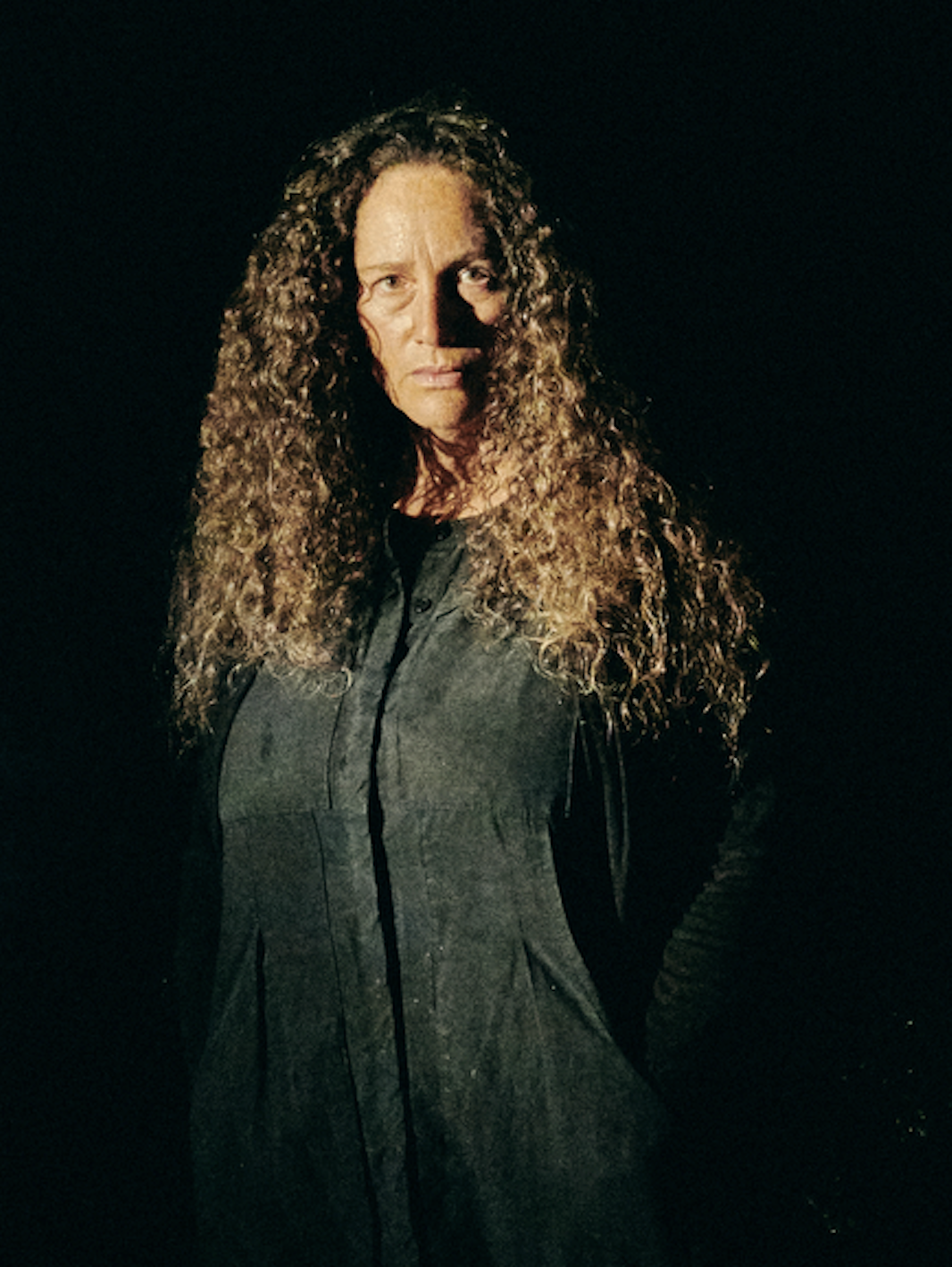
Toby Poser
When I first encountered The Adams Family and Toby, something about seeing a family work together to make films, which are often centred around the land where they live, reminded me of the family bands from folk traditions. There is a streak of folk horror that runs through their work, MOTHER OF FLIES centres around a powerful witch.
“I guess it’s starting with us!” she says, about the tradition of familial storytelling. “Which is kind of fun, if we find ourselves as the source from which a creative flow is sprung.”
And how important is originality in their work?
“I do think attempting originality is important,” she says. “We’ve come to learn, both from consuming and from making films, that originality is HARD. So many stories are told (and retold) for good reasons. Obviously audiences like to revisit stories that are universally compelling...The challenge is to tell these stories with a textured, new sheen.”
And while filmmakers like the Adams’ are forging their own path and traditions, what of filmmakers emerging from other cultures that were forced out of the mainstream by colonialism? How important is it to balance originality with tradition?
“I do prefer to create stories that are completely original. I grew up on indie film of the 90s and aspired to be that kind of filmmaker. I also often take inspiration from my background as a Diné woman.”
That’s a quote from Nanobah Becker, an independent Diné filmmaker and citizen of the Navajo Nation, who has worked both within and outside the studio system in the USA. Her capacity to capture indigenous voices and stories and translate them into powerful, award-winning films has been recognized at events including the Sundance Film Festival, imagineNATIVE Film + Media Arts Festival, and the Whitney Biennial:
“I think my authenticity comes from truly listening to my inner voice—the one that is the real me. The one that tells me what I want to see and feel. My inner voice is informed by all of my life experiences and my ancestors. In the end, I create the film that pleases me, the first audience. And if I can’t please myself, what’s the point?”
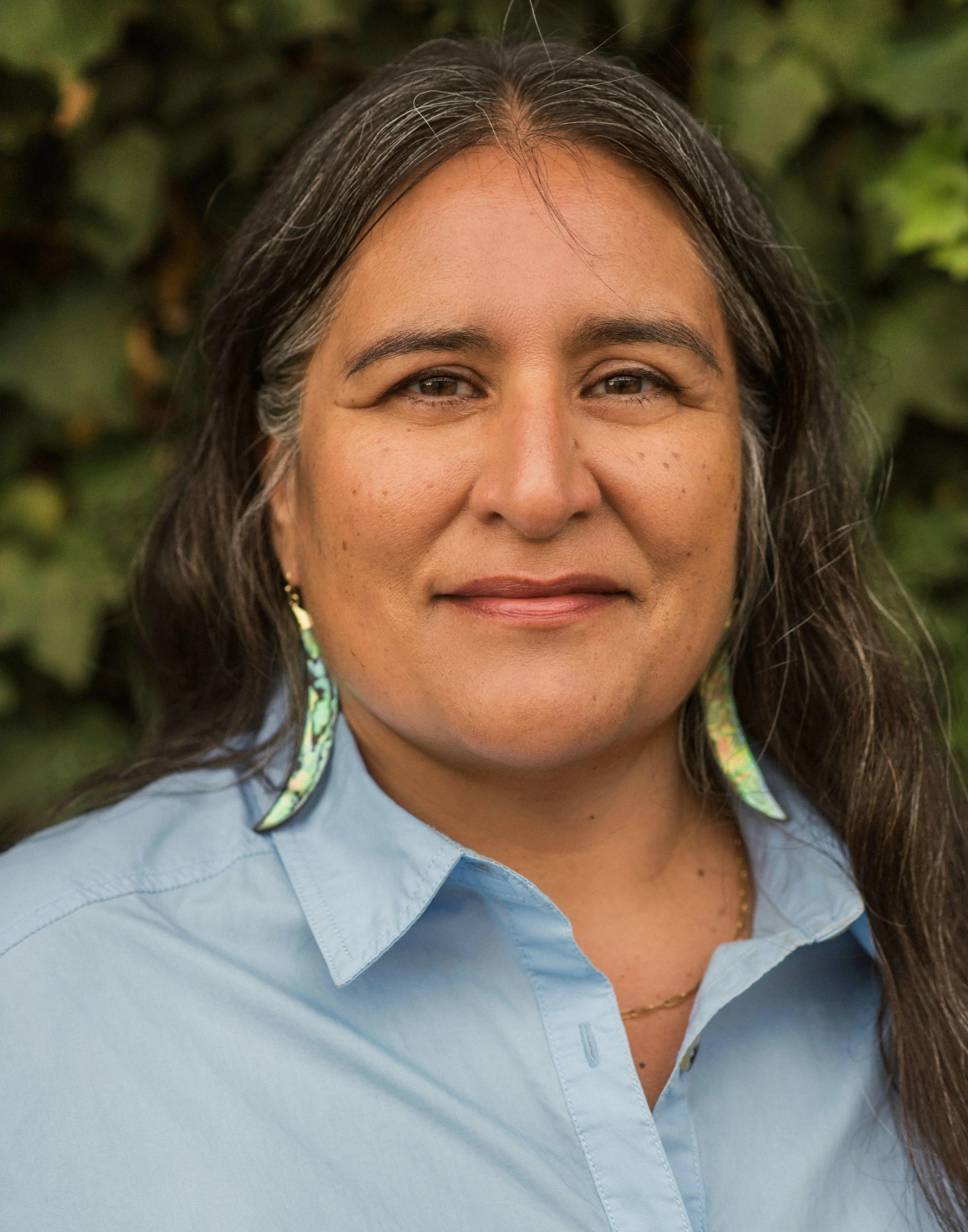
Nanobah Becker, photo by Kaya Blaze Kelley
Nothing Is Original(?)
Postmodern artists and the philosophers who inspired them spoke about there being no such thing as original work any more, relying instead on pastiche, homage, or appropriation - my favourite illustration of this comes in John Waters’ seminal film CECIL B DEMENTED, where each member of the guerilla filmmaking group the Sprocket Holes reveals their tattoo dedicated to a different filmmaker. Are we all just paying homage to those who have come before? Where does this stand with the question of originality?
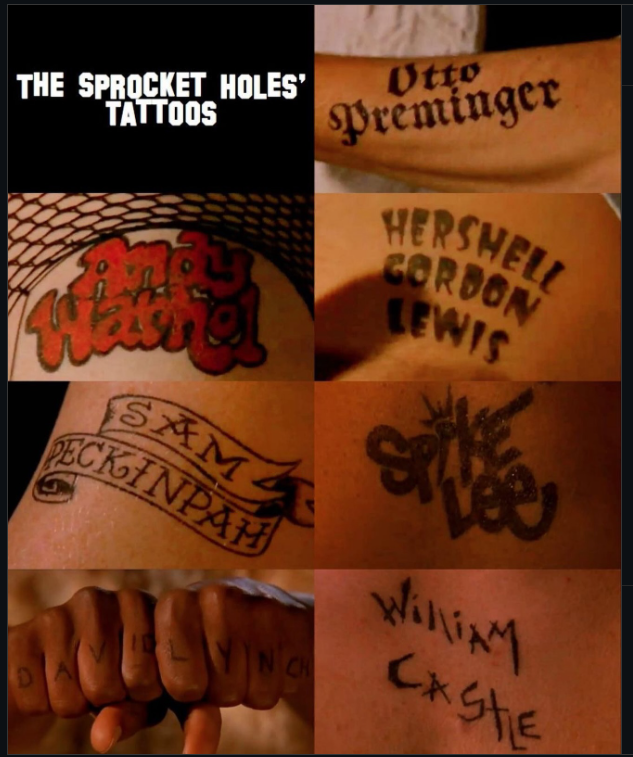
And yes I want a John Waters tattoo, but I won’t get one because everyone else has one now.
Are We In A Crisis of Originality? Or Just Capitalism As Usual?
We live under capitalism, which means that films aren’t just art, they are products - what’s more, the lines between art and advertising are now barely-existent, especially in the American system, which has significantly less public funding for films.
And advertising isn’t about originality - instead relying upon bestowing comfort and familiarity in an audience. What’s more, marketing needs to be done quickly, it needs to fit brand guidelines, while remaining novel enough to be remembered. In my opinion, as long as cinema is a product, made to generate profit, any originality that emerges will be secondary to the people who look to earn profits from them, who are the people in charge in the end, because authenticity and originality take time and don’t always return on investment.
Hayden explores the wider cultural systems and their impact on taste:
“I do think our systems of curating and discovering taste have a way of homogenizing taste, whether they be apps or universities or festivals. And people are always going to optimize for the value function.”
Becker, who has worked inside and outside of the Hollywood system agrees:
“The suits in charge are afraid of originality. They also say cinema is dying, yet Hollywood regurgitates ever bigger, more profit driven, tired content. With the tech bros in charge, I don’t see that changing any time soon.”
I would definitely agree and argue that the product-driven culture we are all immersed in is centred around homogeneity and conformity as the antithesis of originality. Take the current beauty standards which have led us to Mar A Lago face, where beauty standards and sales combine to push a story that “this is beautiful”, bypassing what each human being feels in their own bodies. Even films made outside of the mainstream often rely heavily on what is considered beautiful by the general standard, (see my last rant on the lack of sexy fat people in films!)
Are we all just products now - pushed toward the same hair extensions and lip injections to sell ourselves on social media? Is originality in thought and movement the only way to rage against the dying of the light?
‘Authenticity is invaluable; originality is non-existent.’
My imaginary husband Jim Jarmusch has a great quote about originality:
“Nothing is original. Steal from anywhere that resonates with inspiration or fuels your imagination. Devour old films, new films, music, books, paintings, photographs, poems, dreams, random conversations, architecture, bridges, street signs, trees, clouds, bodies of water, light and shadows.”
Poser backs this up by talking about the use of homage and references to other films in their work:
“We strive to do something new, but we have definitely been inspired to the point of subliminal homage to certain films - sometimes only realizing it when the film is already out in the world.”
Jarmusch’s quote continues:
“Select only things to steal from that speak directly to your soul. If you do this, your work (and theft) will be authentic. Authenticity is invaluable; originality is non-existent.”
So is the key to making truly original and good art about authenticity rather than originality? This isn’t new. In the 1850’s, the Danish Philosopher Soren Kierkegaard spoke about the notion of “authenticity” applying to those in a mass-culture society, where the pressure of conformity could force some to live according to inauthentic face by passively accepting a faith imposed upon them.
Authenticity is one of the languages of our current digital media landscape. To my untrained eye the TikTokkers and Youtubers who succeed have to bleed a little, share their authentic selves by ensuring the camera is with them in the dark moments as well as the light ones.
Hayden reminds me about what it is to be an artist in the first place:
“My drive as an artist is to connect with people, to form meaning and community. When I watch the film with an audience and I hear people laugh and they come up afterwards and want to talk about the udder, that's why I do it. I think original and authentic work is going to be a precondition to that because those are the pieces that really get people, whether it's a punchline they've never seen or an emotion they've seen for the first time.”
Poser: “It’s the authenticity and heart of each story that, in essence, makes that story original.”
Wonder Wheel’s authenticity comes from taking their own experiences and weaving them into their stories:
“In THE DEEPER YOU DIG, I was undergoing a reproductive cancer while shooting, and that film is about a mother whose daughter (in my earthly case, my womb) disappears. Audiences rarely are aware of our films’ backstories, but for us these films are a cathartic, powerful means of revisiting our lives under our own terms through the gorgeous medium of cinema. It’s this artistic freedom and this (sometimes very fundamental, childlike) untethered source of imagination that fuels our intentions of originality, whether we succeed at being original or not.”
So It’s Really All About Authenticity?
Originality is important, yes - but just being purely original isn’t what makes a piece of art good: otherwise SNAKES ON A PLANE would be held up as a centrepiece of human achievement more often. It can make it stand out, it can make it daring, or - that word we all dread to hear after handing someone a script - interesting? But originality without soul - isn’t that just novelty? Like in the 2010’s when Hollywood discovered that women existed as potential lead characters so they brought out the female GHOSTBUSTERS, the female cop movie, the female spy movie, and the female Oceans movie? Some of those movies were fantastic, but it could still feel more like a gimmick or a token gesture.
Surely somewhere in the artistic process you have to bring more of yourself, or, if you’re working collaboratively, yourselves. I ask Poser about the artistic process that the Adams’ undergo:
“Usually we set out with a pressing truth we relate to as a family or as citizens, and then we let our reality, our experience, settle in as a sort of undercurrent... like an underground spring or river, to go back to that earlier image, that is unseen but integral to the life and growth happening up aboveground. This way, we are fueled from a place of honesty, but we allow ourselves the freedom to explore in all kinds of wild, risky, or unusual ways.”
Experience as an undercurrent seems like an interesting place to start exploring a creative process. A remembrance that you should pour a little of yourself into the work in front of you.
Becker also talks about honesty and authenticity within collaborative work:
“It helps to have fun while doing the hard work, because when there is trust and a sense of play—that is when the magic of originality happens. I think working collectively has pushed me to question my authenticity which has helped me grow as an artist.”
And Hayden talks about how authenticity drives connection:
“My drive as an artist is to connect with people, to form meaning and community. When I watch the film with an audience and I hear people laugh and they come up afterwards and want to talk about the udder, that's why I do it. I think original and authentic work is going to be a precondition to that because those are the pieces that really get people, whether it's a punchline they've never seen or an emotion they've seen for the first time.”
Something Borrowed?
We also live in a time where members of our society are setting boundaries around appropriation. The long-raging discussion of cultural appropriation helps us to understand the ways in which mass culture has removed ideas and objects from their cultural context, inherently devaluing them and causing harm to those who held them sacred. There is still originality in looking at the world through the point of view of non-white, non-male, non-straight people, of people from different cultures and perspectives, from different upbringings and different life experiences. That is why cinema is so powerful. After all, the art form that relies upon empathy is unique in its ability to help the viewer experience life in a different way.
Is There Hope For Originality In The Film Industry?
Poser: “We feel most at home in the indie film and genre festival worlds. We feel embraced by them both, and it’s the best feeling in the world. The festivals have been hugely responsible for whatever success and recognition we have, and we take them very seriously in regards to our education, inspiration, and motivation to keep plunging forward. All festivals have their own personalities, but there’s usually shared DNA when it comes to celebrating bold, novel films that challenge hungry viewers. Genre audiences are very smart, and festivals know that. There’s nothing better than sitting in a dark theater with like-minded cinephiles who seek curated, stimulating cinema - most of which is daring,”
Then there’s community, which always seems to be at least part of the answer to so many of our contemporary issues:
Becker: “I am so grateful to be a part of the global indigenous film community, one which is welcoming and embracing of originality and authenticity. Indigenous filmmakers, like myself, often go to great lengths to portray our communities authentically as an antidote to our historic portrayal onscreen. Working as an independent filmmaker is challenging with bare bones funding, but I know that there is an audience out there eager to see indigenous stories that is easier to reach than ever.”
And what of short film?
Hayden says: “The best advice I got filmmaking was from a friend who is a very successful shorts director and said 'all of the work I've done that's blown up has been when I said I don't care I'm going to make what I want to make". I had been in a run where I was really trying to 'solve' what makes a great short and trying to fit my ideas into a film school rubric of how to make a good short, but it was true that once I gave up that and decided to make a short without considering if it was 'a satisfying three part arc' or 'an excellent use of blocking' I was writing more directly from my voice.”
That sounds pretty good to me. I think that as long as we have filmmakers, there will be originality, and - possibly more importantly, authenticity from which to draw upon and grow ideas, connect with one another, and keep telling the stories that we tell, however it is we’re going to tell them.