I’m Spartacus! No, I’m Spartacus! How to make your short film stand out from the crowd

Written by Mark Brennan
To quote the great Kermit the Frog, “It’s not easy being green.”
As filmmakers turn their hands to short films and/or the festival circuit for the first time, blissfully unaware of the sheer magnitude of short films that have run the festival gauntlet before them, they may find it’s not easy finding a fresh, original take or story that programmers won’t have seen before.
Mindful of the limited runtime available, many reach for universally relatable topics around grief, loss, depression, or heartbreak. This is entirely understandable, as filmmakers both look to tell stories of which they have some experience and those which they know the audience will connect with from the off. Now, there is more than one way to skin a cat, but without knowing what films have come before it’s very easy to skin these cats the same way again and again. And again.
This is to say nothing of the quality of the filmmaking. The festival circuit is bathed in countless beautiful shorts that have inadvertently told the exact same story as another short in a way that was obvious to the material at the time. Therein lies a problem faced by festival programmers around the world; a film can be beautiful, but it can also feel like one they’ve seen before.
As the festival director at Exit 6 Film Festival, I can personally attest that in each of our 11 years so far there are certain topics that arrive in our submissions pile every time we open. That the topics are repeated is not the issue. The human condition is a tale as old as time, it’s inevitable there will be the same subjects covered ad infinitum. The issue for programmers is when it’s the same story told in the same way – however well executed it may be.
One example of a topic we see a lot of at Exit 6 is that of dementia. This is not to downplay the seriousness of the condition in any way shape or form, but it’s true to say that in most cases while the films depict the illness with compassion and care they ultimately say little more than… isn’t it tragic? And it is. Terribly tragic, devastating even. But after watching dozens of gorgeously made films all showing how dementia hammers families, it becomes harder for any one of them to stand out from the rest.
That is not to suggest such topics should not be explored, it is merely to recommend seeing what’s already out there and finding your own way of telling that story in a new way, from a new angle. But don’t just take my word for it…
On the subject of originality, I asked some fellow festival directors/programmers for their thoughts, starting with which topics they see year on year and why they think this is the case.
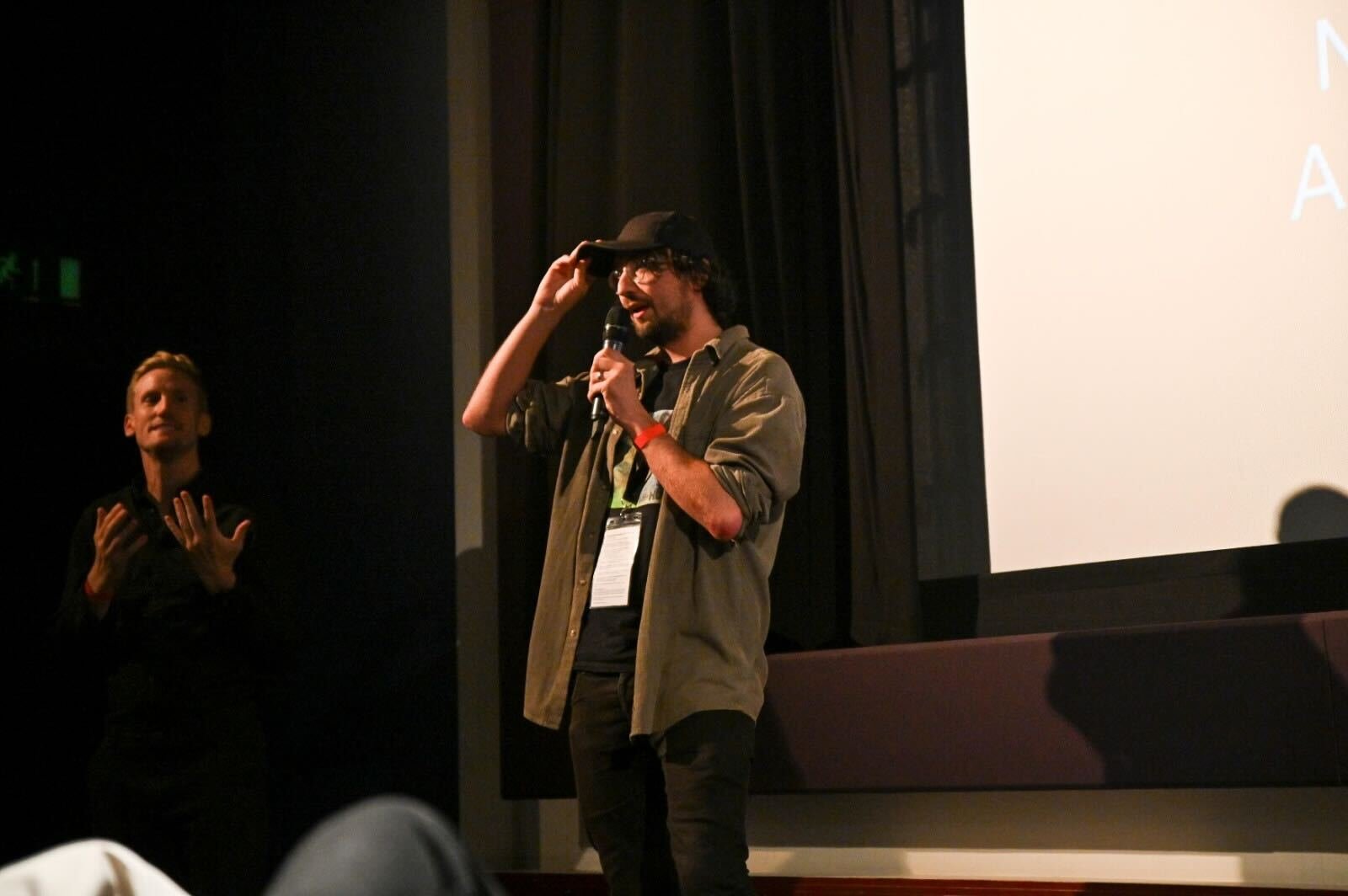
Danny Moltrasi, senior shorts programmer at Raindance Film Festival
Danny Moltrasi, senior shorts programmer at Academy/BAFTA/Canadian Screen-qualifying Raindance Film Festival, responded:
“I think instead of one single thing, a lot of directors often look for something they feel might be a 'worthy' cause. And honestly, you can very often see through it when the filmmakers don't really have a connection to that story itself. I don't need to see the same story of a poor sad child who parents abandoned them, but they found good through a reassuring adult. I don't need to be told that working-class people have it tough, especially when nine times out of ten the same filmmaker has come from a pretty comfortable middle-class background.
I'd much rather see a story about their middle-class background and how they maybe dealt with the guilt they clearly feel for having a comfortable life in comparison! Another thing we get a lot, is someone saying their film is a "mix of Tarantino and Wes Anderson" or something along those lines. And to be honest, if I wanted to watch a Tarantino or Wes Anderson film, I’d just stick one on. I want to watch your film though!”
Matt Dy, senior film programmer at Academy-qualifying Austin Film Festival, also gave his insights.
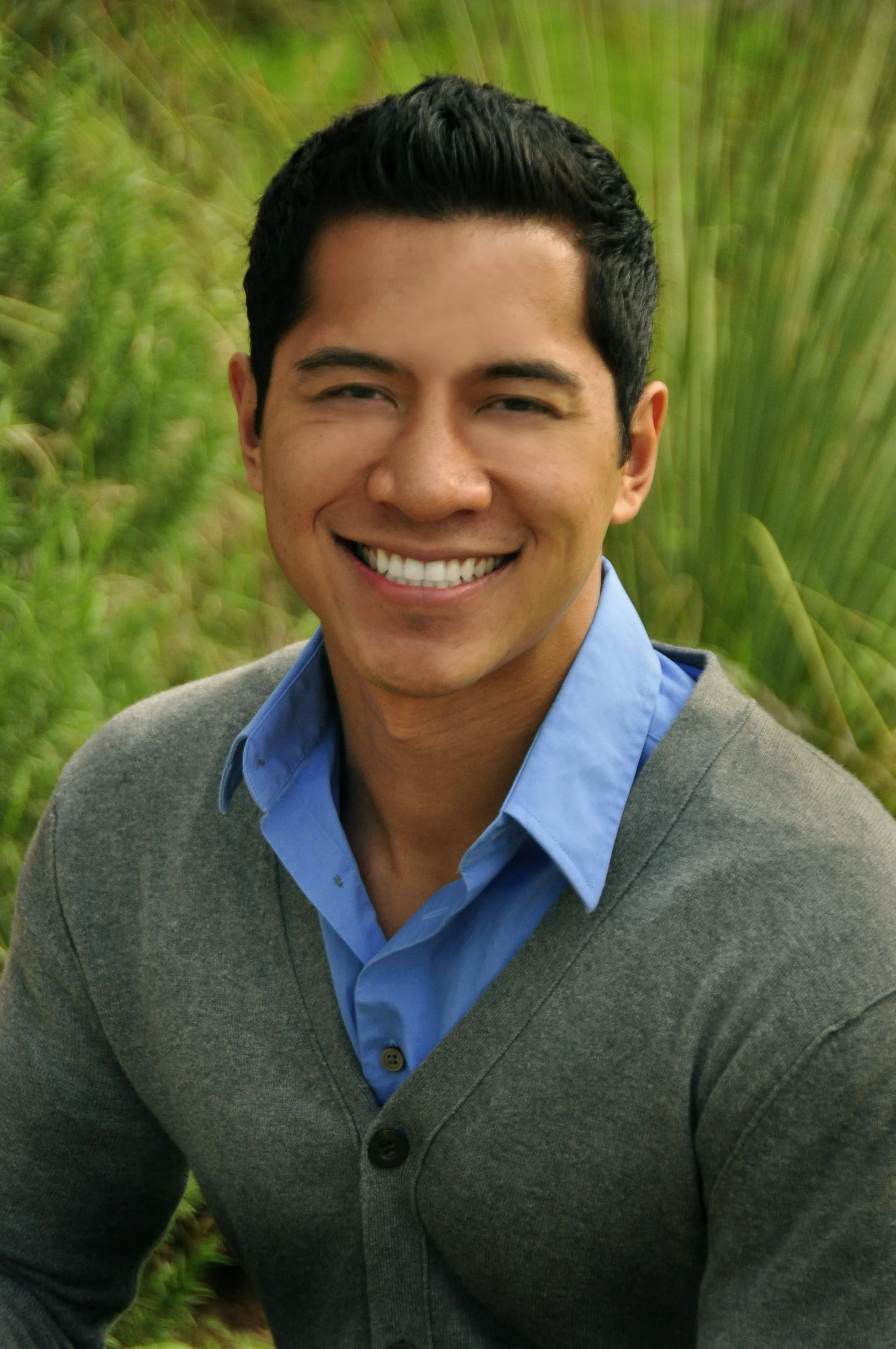
Matt Dy, senior film programmer at Austin Film Festival
“The exciting thing about watching so many short films all at once is that you really get the full gamut of what’s truly in the zeitgeist. Since a short can be made rather quickly these days, we tend to see a variety of topics and themes that are very much immediate and of the moment.
A frequent topic brought up is AI and many other cautionary Black Mirror-esque tales about the dangers of technology. Whatever is currently on people’s minds will inevitably be worked out through story. Specifically, for AFF, since we are known as the “Writers’ Festival,” we do often see a number of films about the creative process and struggles of telling a story.”
So, there we have it from the festivals point of view, but what can filmmakers telling stories from well-worn topics do to stand out? Angela Peters, festival director at BIFA-qualifying City Lights Film Festival, tells us her thoughts.
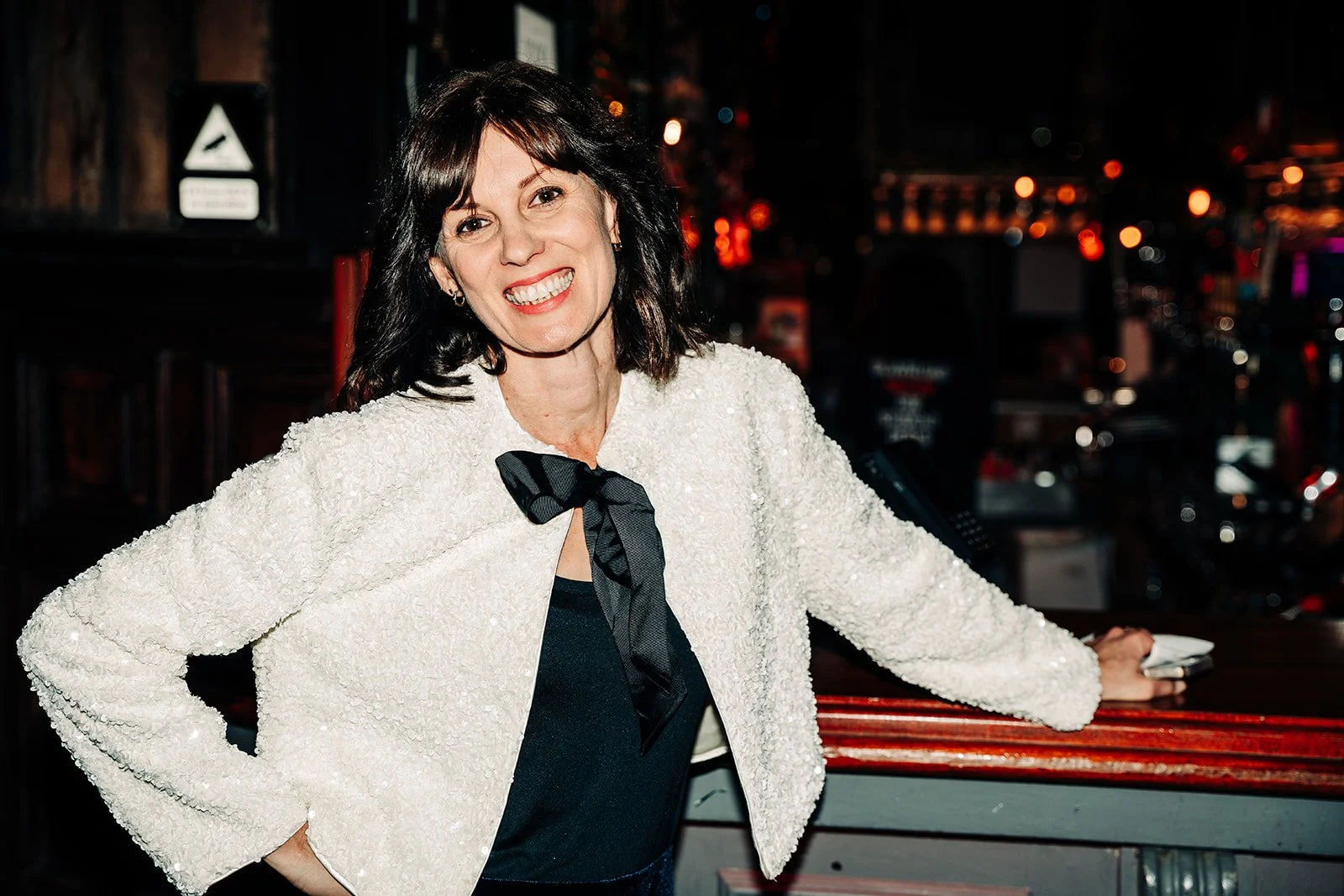
Angela Peters, festival director at City Lights Film Festival
“For us as a team, the most compelling way to stand out is to reimagine a familiar story through a fresh lens (excuse the pun)—whether that’s by shifting the perspective, amplifying an unexpected voice, or uncovering new layers within the characters’ journeys. It is never just about telling a good story, but about telling it in a way that feels original, thoughtful, and deeply engaging.
As you’re a filmmaker, you need to remember a festival may have seen 1000’s of shorts over the years. Here are two questions a filmmaker should be able to answer before they start - How am I going to tell my story in a way that that’s never been it told before? And, why is now the time I need to share this story? If you can answer these, and make a compelling story, it’s likely that it will stand out.”
Danny (Raindance): “I think as long as there is something kind of personal, or something that truly connects to yourself, its normally OK. There is nothing wrong with telling the same story, it is incredibly hard and rare to come up with something that has never been told before. But I highly doubt I've seen a story that comes directly from your perspective, with your own unique problems you've faced in your life. Theres nothing wrong, for example, in wanting to make a gangster film. But why do you want to make a gangster film? Why are you drawn to it? Is there something within that world that you find interesting? Why do you find it interesting? It is hard but just delve into the reasons you are drawn to these stories.
Matt (Austin Film Festival): “The key thing is to stay true to who you are as a person first and let that inform the filmmaker you want to be. Objectively, every type of story has already been told but the specificity of life experiences are what keep stories interesting and exciting. If it’s a story that covers well-worn territory, is there a POV into that world that is at least a bit off centre and surprising? It’s also about understanding all the tropes for a genre and subverting those expectations.”
Suffice it to say, when a film does stand out from a crowd telling a similar story, it really sticks with the programmers. To prove that point, Angela and Matt offered examples of films/filmmakers doing exactly that.
Angela (City Lights Film Festival): “Two that spring to mind is OK/NOTOK and Egg Timer, both that screened in our festival last year.
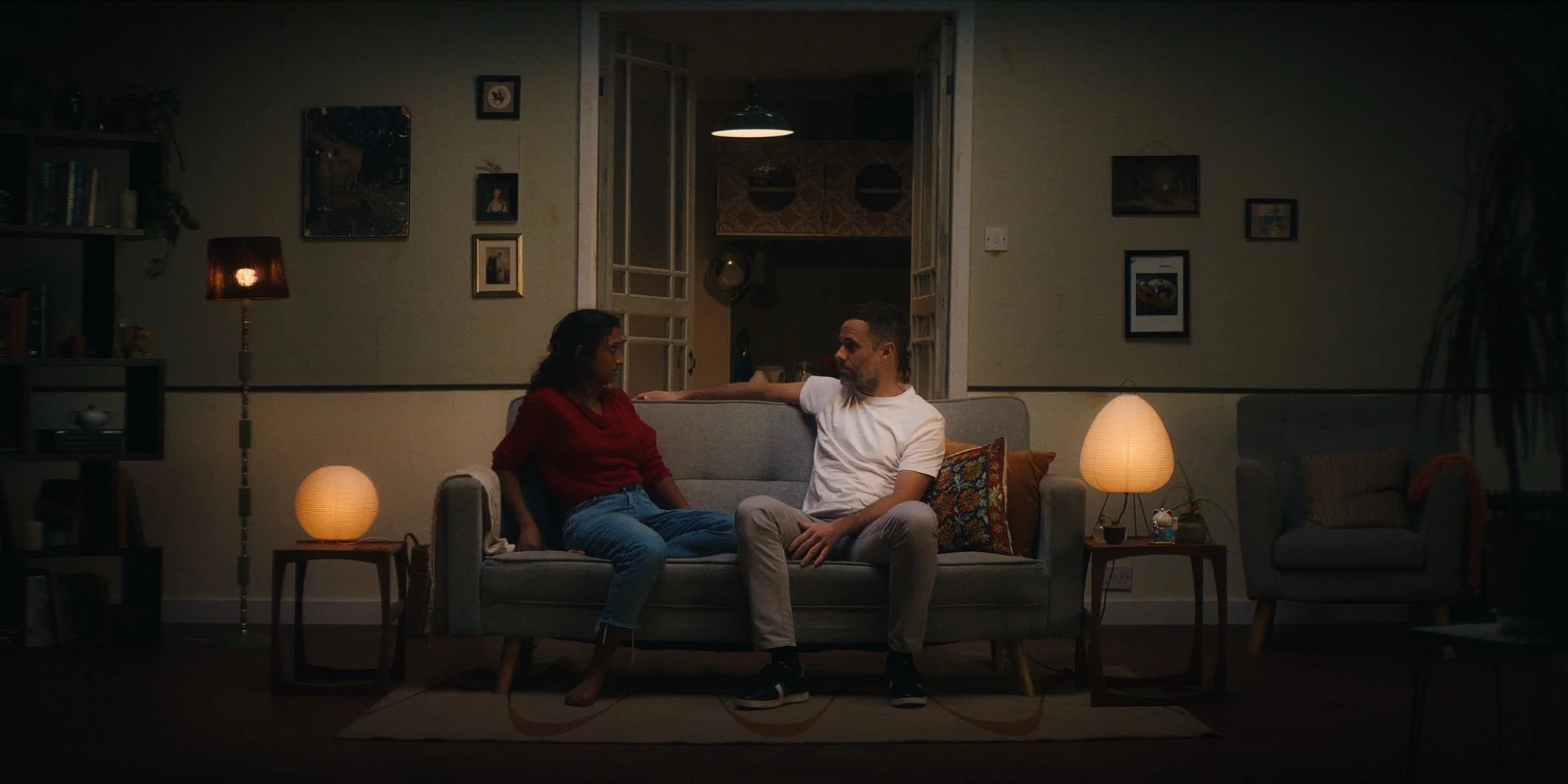
OK/NOTOK by Pardeep Sahota
OK/NOTOK, by Pardeep Sahota, offers a new spin on an old story of love. Set in a dystopian world, we fully embrace the protagonist’s plight because it comes at a time when we ourselves are amidst a cost-of-living crisis, and we identify with our lead character who is equally also unable to pay for the ‘upgrades’ she’s desperate. It’s quiet, subtle and sublimely relevant. But it’s also very life-affirming.
And Egg Timer, by Rosie May Bird Smith (and Festival Formula client), is a very fresh take on the taboo topic of women’s ovaries and their eggs “expiring” and the constant need to explain if a woman doesn’t want to procreate. It’s clever because there are talking Ovarian eggs, funny family members, and an obnoxious boyfriend, and we fully support our 30-year-old as she avoids well-meaning and pushy family and friends. It’s a homage to every woman who ever decided to say no to procreating.
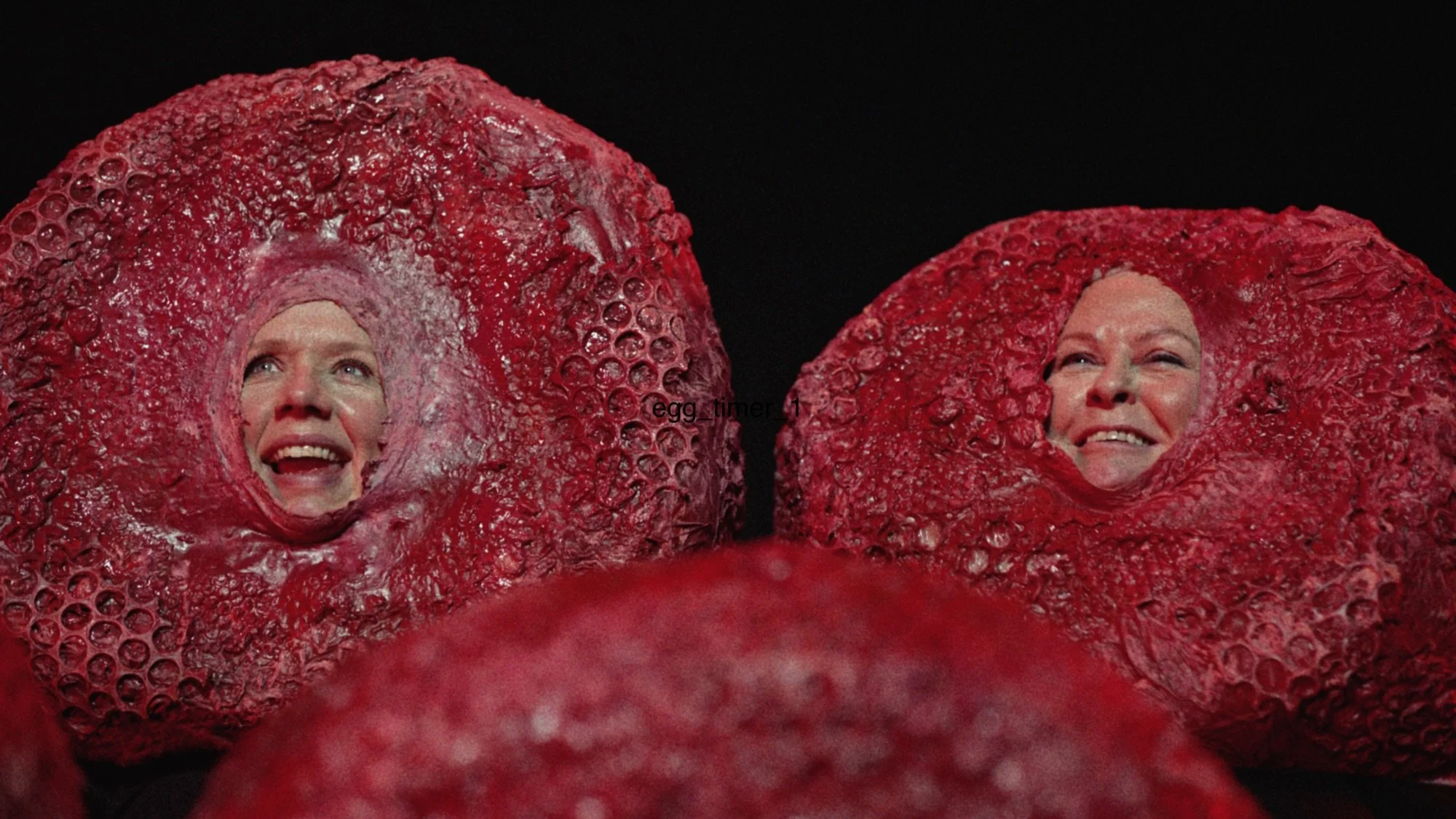
Egg Timer by Rosie May Bird Smith
Matt (Austin Film Festival): “Last year, we screened a hilarious and heartfelt comedy feature called Theatre People from filmmaker Mike Breen. It’s a classic tribute to starving artists yearning for their big break. I remember watching the opening scenes and thinking OK we’ve definitely seen this world before and the two main characters are comedic soulmates who finish each other’s sentences à la Broad City. While the setup is so familiar, it was executed so well that it kept winning over my cynical heart. It also won over our jury who selected it as our Comedy Vanguard Award winner. It goes to show that you don’t need to reinvent the wheel too much to surprise and subvert expectations.”
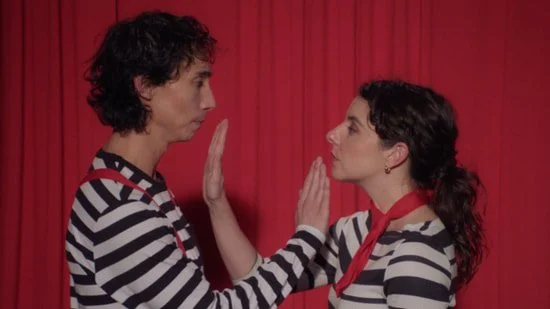
Theatre People by Michael B. Breen
Meanwhile, Danny offered his thoughts on how to be original in a broader space rather than cite specific examples.
Danny (Raindance): “I think maybe instead of a filmmaker, I think the best genre to look at is in horror itself. There are a lot of stories about the same subjects there, ghosts, vampires, zombies etc. But what keeps it interesting is not necessarily reinviting that trope or displaying it from a different characters point of view, but rather how you visually represent it. I watched Creep 1 and Creep 2 a few weeks back. These aren't amazingly films in themselves, but they are good, fun, found camera horror films. Even those these are feature films (albeit pretty short, around 80mins!), I'd highly recommend them as examples of telling a pretty well done story, with a low budget, but doing enough to keep it interesting with a few fun twists and turns.”
These contributions from experienced programmers at well-established film festivals shows not just what filmmakers can be doing to help their work stand out but also illustrate why some beautiful pieces of work might still not get the festival traction they are hoping for.
With that in mind, for anyone looking to create their next project to take on the festival circuit, here are some further words of wisdom from the people who really know what they are talking about. What advice would they give filmmakers looking to create something festival programmers won’t have seen before?
Danny (Raindance): “I mean first off, watch short films. That's always going to be the best way to know what is already out there. Not only will it help you steer away from telling the same story over and over, it will also help to inspire you. And secondly, don't be scared to go deep. Take a few risks, visually and story-wise. You might not always get it right, but you'll at the very least learn something from the experience.”
Matt (Austin Film Festival): “In a practical sense, the first thing is understanding your audience – what is that festival known for and what do they typically program? It’s first about knowing if your film is even a fit to begin with and then assessing how yours might measure up. The truth is that it’s nearly impossible to truly know what types of films festival programmers are exposed to every year unless you go direct to the source. It never hurts to reach out to a programmer before submitting and ask what they are most excited to watch. And if you ever have the opportunity to join a screening committee for a festival, that’s another great way to get a sense of what’s out there and in the zeitgeist. Best advice is to be aware of what other films are out there but not worry too much about it. Focus on what excites you and most likely it’ll excite many others as well.”
Angela (City Lights Film Festival): “Please do it. In an age of mindless TikTok and social media videos, and AI infused content, every time I see something that I’ve never seen before, it’s a breath of fresh air…I literally can’t breathe with excitement. It reminds me that short film, as a form of storytelling, will go on forever. It’s an absolute treat for the audience if someone can blow you away with an incredible story that has a solid beginning, middle and end in just 20 or 30 minutes. Embrace the absurd, tell stories that matter to you. But whatever you do, don’t look for something that you feel will win awards or that you think is topical right now. Tell your own story because that will always be better.”
Ultimately, all any filmmaker can do is tell the story they want to tell, the way they want to tell it and, to be clear, there is nothing wrong with that. However, if the intention is to take that film on the festival circuit, it’s worth being mindful of the submission/programming space in which it will be received - and how originality can go a long way.
And with that in mind, always remember that festivals are not passing judgement on whether a film is ‘good’ or ‘bad’, but simply if it is what they see as a good fit for the programme they are trying to build.