Life beyond the film festival circuit: Finding your short’s forever home

Written by Mark Brennan
“What the hell do I do with my short film now?” That’s the question faced by every filmmaker when the time comes to share their short with the world beyond the film festival circuit.
It’s also a question I’ve been asked countless times, so it seems like a good idea to dive a little deeper into the answer and explore some of the many options open to filmmakers.
While there is a plethora of platforms available to promote your short, the truth is finding the right one is only half the battle, with the rest falling on you to push the film as much as you can regardless of the home you find for it.
Let’s start with the obvious – YouTube. With a couple of billion people using the platform, it might seem the perfect place to set the world alight with your new film. However, all those users are ceaselessly scrolling never-ending ‘content’, so arbitrarily adding your snowflake to that blizzard is hardly going to see it stand out on its own. That means if this is the route you’d like to take, it needs to be backed up with a social media/online marketing plan to push that link as much as possible in the hope it then gets shared far and wide. Much the same way as a crowdfund campaign – you can’t just put the project on Kickstarter and wait for the money to roll in; you have to put in the hard yards to make sure your film gets the attention it needs.
That said, there are existing channels on YouTube who publish curated works under their own banner. Platforms such as Omeleto, Dust (sci fi) and Alter (horror) already host short films that fit their programming tastes. Whilst this opens you up to an existing audience, there’s still a chance your film gets lost among all the many shorts they’re regularly releasing, especially when they exist solely on YouTube and social media without websites of their own to help promote the work they select.
That’s where platforms such as Short of the Week and Directors Notes come in. Yes, they have channels on YouTube as well as social media, but they also actively promote the films they select on their own websites, which also include articles and interviews with the filmmakers. Now, in the interest of transparency, I work with both in addition to Festival Formula for the very same reason – they’re badass at what they do to help filmmakers make the most of their work.
So, with that in mind, I asked Rob Munday from Short of the Week and Sarah Smith from Directors Notes a few questions on your behalf, because I’m good like that.
First up, it’s Rob, who I asked what should filmmakers be considering before releasing their film online? And coming from the guy whose platform has garnered tens of millions of views, his insights are worth heeding.
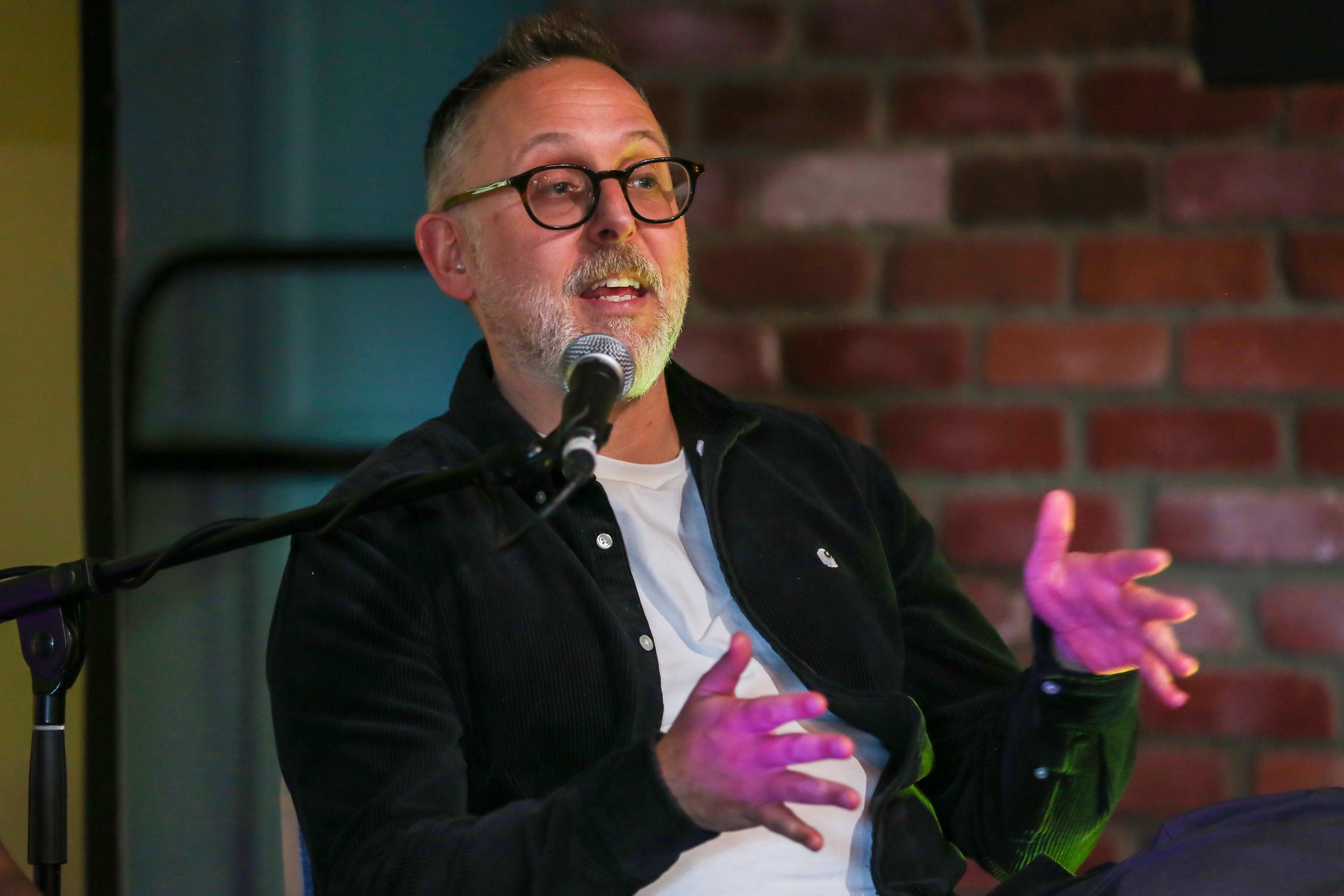
Rob Munday, Managing Editor at Short of the Week
“The biggest mistake filmmakers make is not giving their online release the same level of attention they give every other stage of the filmmaking process. Because an online release often comes at the end of a film's lifecycle, it's easy to approach it with a sense of fatigue. However, if you treat it as an afterthought, the results are unlikely to meet your expectations.
“Unless you already have a strong online presence, you're going to need a release partner to get the most out of your online premiere. A platform like Short of the Week, with years of experience championing short films, already has a dedicated audience and understands how to maximise a film's reach and impact. It's worth thinking about your online release strategy early. We recommend submitting to online platforms at the same time you apply to festivals (you don't have to release immediately). Communicate with your release partner, ask questions about how to maximise your release, and take advantage of their expertise. They understand the process better than anyone.”
The ‘fatigue’ that Rob mentions is all too real. By the time the festival run is complete, many filmmakers think that’s the end of the journey for their work, so are ready to put the film online somewhere and move on to the next thing. The reality is it’s an opportunity for a new audience to discover the film – and potentially in a new way that’s catered the way they will be watching it. Rob says this is something to embrace.
“We all know films look best in a cinema with a large screen and dedicated sound system, but that's not how people will experience your film online. If your goal is to reach a broad audience - and I assume it is - you need to accept that many viewers will watch on laptops, tablets, or phones. You can ask audiences to wear headphones in a dark room, but that's rarely the reality. Your film may be watched during a lunch break, on a commute, or while someone is scrolling between other content. Rather than fighting that reality, embrace it. Are there simple adjustments you can make - such as removing lengthy opening credits, brightening particularly dark scenes, or improving audio levels - to help your film connect more effectively online?”
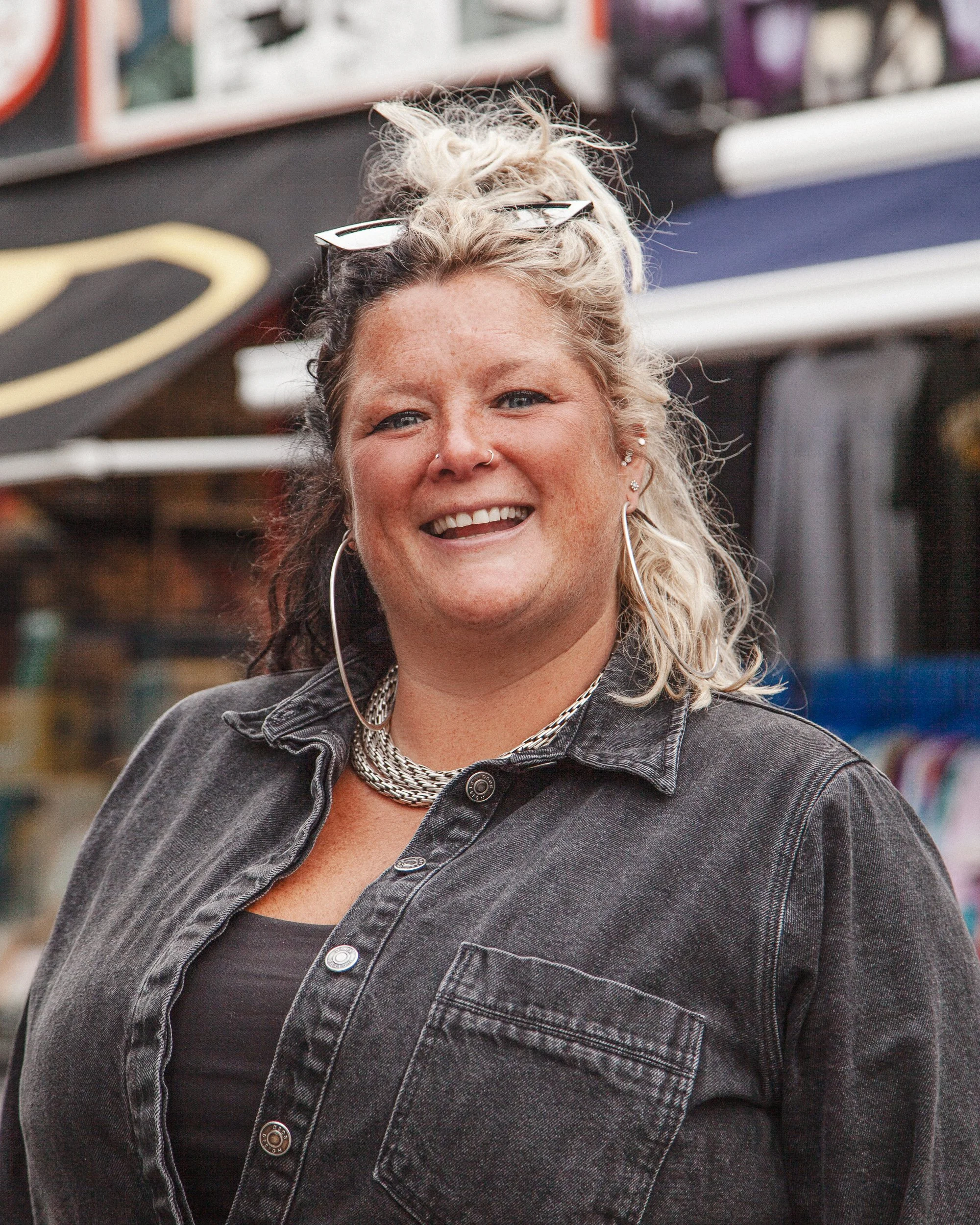
Sarah Smith of Directors Notes
Sarah from Directors Notes adds what filmmakers should consider ahead of submitting to/working with DN on releasing their film with them.
“The short answer: consider realising online earlier than you think. Most filmmakers find us at the end of their festival run, looking for an online home for their film's public premiere, and we're absolutely here for that. But Directors Notes is also a genuine part of the circuit, not just a destination after it ends. As a BIFA-qualifying platform, a feature with us during your festival run can contribute toward eligibility for the British Independent Film Awards.
“Our interviews are also a practical tool for the festival circuit. A deep-dive conversation about your craft and creative process gives programmers, press, and industry contacts something to engage with beyond a trailer and a logline, and it travels. We know, too, that the relationship between online presence and festival eligibility is more nuanced than the blanket assumption that ‘online means ineligible.’ Some of the world's most prestigious festivals have no such restrictions; others are strict. So, for films still protecting their circuit eligibility, we regularly run with just the trailer alongside the interview and return to premiere the full film when you're ready. We'll work around your timeline, not against it.”
Being selected for the platform is an achievement, but ,as said already, there’s still work to be done once your film goes live, which Sarah is very clear about.
“Acceptance to Directors Notes is the beginning of a collaboration, not the end of one. We ask for specific files, assets and social handles, and our deep dive interview questions—written by a chosen editorial team member—are crafted to draw out the most considered responses you can give. We know filmmakers are busy and often working on multiple projects, but the quality of what we build together reflects directly on your film. The more you bring to the process, the better the final feature. We're a creative partnership.”
“The second mistake is going quiet when the feature goes live. Release dates are planned around you, so when the day arrives, be ready. Selected films reach our highly respected, longstanding, and dedicated community built over 20 years. Your film earned this moment; make sure it lands by rallying your collaborators, friends and family behind its online release.”
There is a lot of assumptions made by filmmakers about how their film might perform online the second it goes live. I asked Sarah what is the reality of audience viewing habits online compared to the expectations of most filmmakers?
“The most common expectation filmmakers bring to an online release is an immediate number: views, shares, and some measurable proof that the work landed. The reality is always more complicated and often more quietly rewarding than the numbers suggest.
“Short films exist in an attention economy designed around content that runs under ninety seconds. The algorithms, the platform incentives, the viewing habits, none of it was built with a carefully crafted twelve-minute drama in mind. Views can accumulate slowly, unevenly, and don’t always reflect a film's quality or potential reach. The films that do travel virally online tend to share specific characteristics: genre hooks, inherent shareability and existing audience networks. A twist comedy has different online prospects than a contemplative documentary and pretending otherwise does filmmakers a disservice.
“What DN has learned over twenty years is that the right audience finding a film matters far more than raw numbers. Our readership is industry professionals, festival programmers, and dedicated film fans—people who watch with attention and purpose, who can move the needle on your career. That's a smaller number than a viral moment (we have plenty of those too), but a more valuable one.”
That said, just recently the DN release Auganic by Krit Komkrichwarakool did pass 1 million views on their YouTube channel. Not too shabby, eh?!
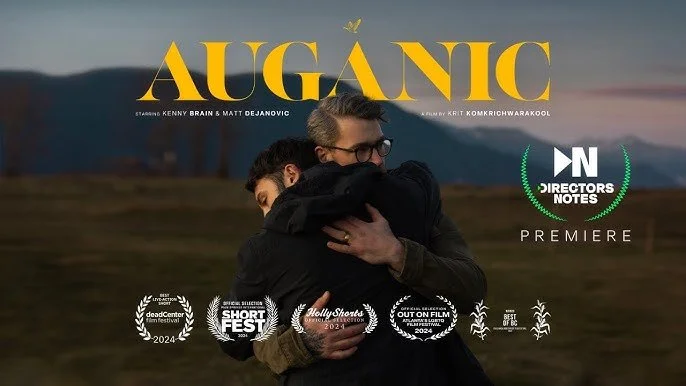
Auganic by Krit Komkrichwarakool
I’m sure it’s at this point that you’re dying to know exactly what both Short of the Week and Directors Notes are looking for in terms of their curation. Fear not, reader. I’ve got you covered.
Rob: “I always like to keep this answer simple: originality. Short film remains one of the few spaces where filmmakers can take risks, experiment and try something genuinely new without the commercial pressures that often accompany other forms of filmmaking. We want to discover films that feel distinctive and memorable, whether that's through their storytelling, their craft or both. Short films have a long tradition of introducing exciting new voices to the industry, and at Short of the Week we're committed to continuing that tradition by helping the next generation of filmmakers find an audience.”
Sarah: “After twenty years and thousands of films, what we can tell you is this: the films that stay with us are never the ones trying to be universal. They're the ones that are completely, unapologetically specific.”
“That doesn't mean we need a subject matter we've never encountered before. Love, loss, identity, family, place—these are never exhausted territories. What we're looking for is a distinct angle, a clear point of view, a reason this story could only have been told by this person. The films that consistently move us are made by filmmakers who are close to their material and who understand it from the inside out.”
“Make something you genuinely know and care about. That investment is not invisible. It comes through in every decision, the casting, the lighting, the silence before a line. It always shows. And it's the thing no formula can manufacture.”
Of course, there are other options to filmmakers besides releasing the film online. There are companies to which you can licence your short film, and in some cases, even make some money back on what was spent making the film in the first place - the Holy Grail, am I right? One such company is Network Ireland Television from where Sadhbh Murphy, their Acquisitions and Sales Director, tells us more about what they can offer filmmakers.

Sadhbh Murphy, Acquisition and Sales Director at NITV
“NITV is primarily a sales agent, focused on commercially exploiting our content and therefore exposing filmmakers' work on international broadcaster, streamers, airlines and educational spaces, where they otherwise would not be seen. By doing so, we also recoup some production costs back to filmmakers, or they can put the NET revenues into their next film project. With over 30 years’ experience in servicing our international buyers, we have a very focused approach about which film titles will work best in the different markets. In some cases, NITV also provides peripheral targeted festival assistance to our new films at first, via our own insights and personal contacts.”
“NITV can maximise commercial revenue for short films in the niche areas in which we have great expertise. This cannot be done to its full potential with films online as it would simply put many of our buyers off acquiring them. Your film might win an audience on YouTube but this would jeopardise sales to traditional broadcasters and streamers. There is also crucial contractual licensing to consider - there are exclusivity and holdback requirements with a number of our broadcast and streaming clients, which are non-negotiable in their respective territories.”
Now, before you all go charging over to Sadhbh and shower her with shorts, it’s worth taking a moment to look into what NITV are/are not looking for.
“We're not a TV broadcaster, despite the name! We're a distributor/sales agent. We are a general TV and Film content distributor which allows us a) to have a wider reach than some of our fellow distributors with our contacts with streamers, traditional broadcasters and in-flight aggregators and b) to specialise particularly in the short films sector of the international media market.
“We're also not a specialised festival distributor; we just provide some assistance in this area on a case-by-case basis. Our brand is commercially appealing short films with a strong linear narrative structure. Our best sellers are those with a feel good and positive message, even better with some comedy sprinkled in! Clever, inoffensive comedies will work better than dark dramas on almost every buyer’s schedule. We don't take anything experimental, or anything over 20 minutes unless its exceptional.”
Another potential avenue for your short film when you’re ready to share it, and one totally different to those mentioned previously. Any of the above would be a fine pursuit for your film, it’s simply making sure which one is the right fit for you, your film, your expectations and your priorities.
There are still more that can be listed. Streamers such as ShortsTV, Kanopy, Kinema, Film Shortage, Genera Films, and more. What matters most isn’t necessarily which platform you choose to house your film, it’s that in addition to researching and making sure it is the right platform for you, you’re still willing to work those same socks off you did to make the film in the first place to share it with the audiences out there waiting for you.
So, now you’ve finished reading this, looks like you’ve got some work to do!