Think like a guru: what we can learn about film distribution from grifters

This is a time of massive upheaval, where our filmmaking community desperately needs to build new models for producing and distributing films. Here in the ancient wreckage of late-stage capitalism, we need to find a blueprint for the future.

Written by Jess Sweetman
Personally, I’ve been finding said hope laid out in the sometimes fever-dream-infused Substack of veteran indie producer Ted Hope. In “Hope for Film” he has been musing out loud and inviting a conversation about where we go from here. Where’s here? Sean Rappleyea writes in a guest post:
“The year is 2026, and the landscape feels both unsettled and full of possibility. Studios have pulled back from the endless greenlight frenzy of the streaming boom years. Box office numbers are selective with big event films that still draw crowds, but mid-budget projects have largely migrated or disappeared. Streaming services, once in a frantic race for subscribers, are now laser-focused on profitability. Consolidation is happening quietly.”
The problems of our industry loom large, but Hope sees a path through and he has been gathering the minds of non-dependent film together to create a plan that filmmakers can follow. It’s a collective work in progress, following the five principles:
Budget your film for a realistic financial return.
Know your audience in advance.
Budget for film distribution.
Build your own audience.
Build and support a non-dependent cinema ecosystem.
And, although it irks me to my very soul, there are groups of people who have already been using these tactics and more for decades, leading all the way back to the 1970’s so effectively that many of us are feeling the results.
As we all balk at the all-encompassing spectre of AI replacing our jobs and rendering us obsolete, that starting a religion is a viable alternative career path. I mean, religion is recession-proof and humans often prefer easy lies to complexities - and we’re suckers if someone promises us an unquestioning and loving community. But as I’ve been reading Ted Hope’s writing, I keep thinking about how the cult model also works for film distribution. I mean, we’re in the business of finding our audiences, engaging them, firing them up enough to go out into the world and see a movie - right?
While many of us have been trying to make the system work, the Christian right in the USA have been developing film distribution strategies that can teach us a lot about how NonDe (non-dependent) cinema can work, by forging community, knowing our audience from day one, positioning ourselves, and creating a common goal.
In this article I’m going to do a deep-dive into how a few viral movies were created outside of the conventional film world, and what we can learn about film distribution from them. Join me for a journey into some weird and creepy stuff - and promise me one thing - if you do end up starting your own film-distribution cult, make sure it’s a benevolent one with flying spaghetti monsters and good parties. Or at least let me out before you all go to join the spaceship.
‘Welcome to Angel, we’re glad you’re here.’ What we can learn from Angel Studios about audience planning, brand positioning, media, and alternative distribution
Over to the US of A, where in 2023 the bullshit-laden low-budget Christian nationalist flick SOUND OF FREEDOM beat Indiana Jones and Tom Cruise at the box office to become the highest grossing indie film since PARASITE.
SOUND OF FREEDOM is a slightly wonky action flick with just enough star power (Mira Sorvino, Jim Caviezel) and controversy (Jim Caviezel) to have grabbed the world’s attention. It also came fully loaded with powerful enough messaging to galvanise its very specific audience to give money on the promise that they can end child trafficking. Angel Studios, who distributed the film, have been building up to this moment for many years. Here’s what they do:
a. They know their audience, positioning themselves as a movement, not a streaming service
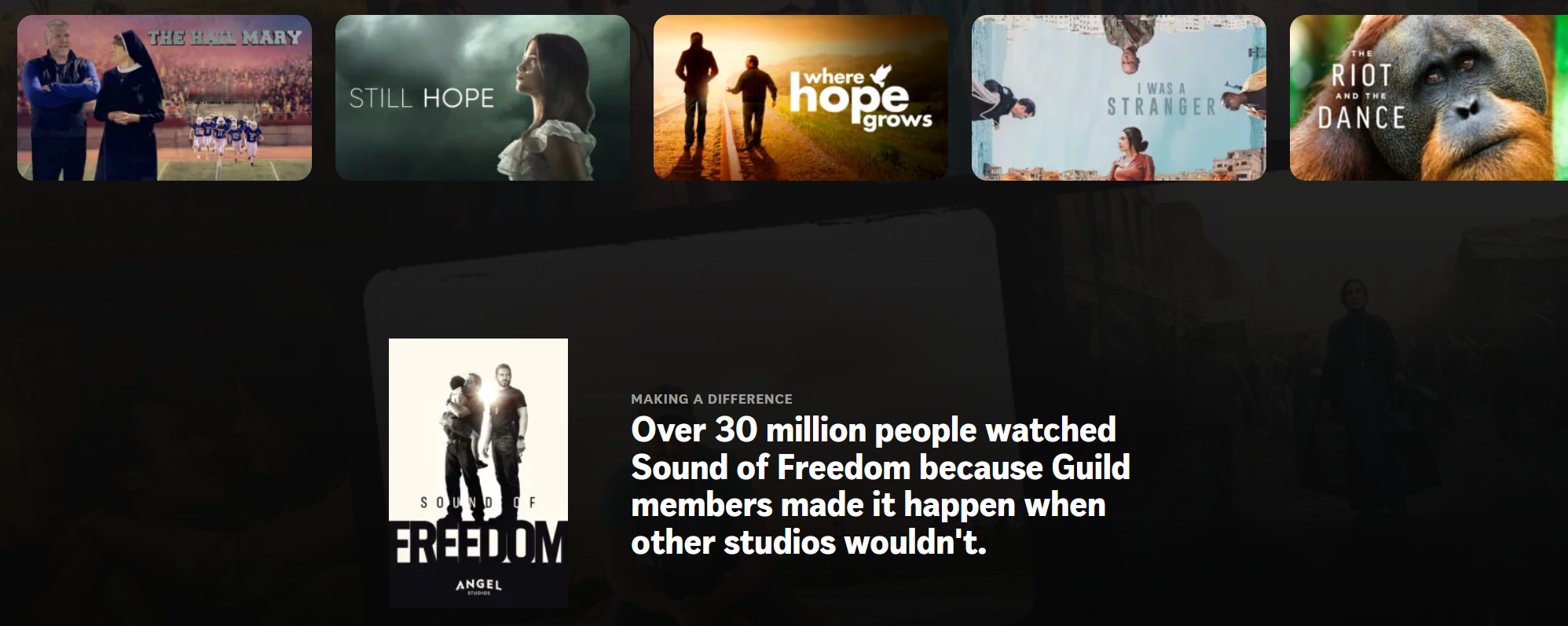
Screenshot from Angel Studios’ website
“Sound of Freedom” was never a movie for traditional cinema audiences. By bypassing the usual routes to box office success - which lie more in activating younger audiences - Angel Studios used their connections to megachurches and Christian-based institutions in order to market the film. Their audience was clear - middle American white and Latina Christian moms. They know their audience inside and out and then put a call to action in the messaging of the film which appeals directly to their audience’s key beliefs.
If you haven’t seen or heard about the movie, it tells the (apparently deeply embellished) story of Tim Ballard, setting him up as an American hero, for leaving the FBI when they don’t let him use his own judgement and force in order to rescue children from the international sex trade. According to the Christian film rating website Movieguide.org:
“SOUND OF FREEDOM has a strong Christian, moral worldview that promotes sacrifice and the message that “God’s children are not for sale.”
The key beliefs - that innocent children need saving, calls to the Christian moms, and peppered within that are American flags to appeal to their sense of American exceptionalism, manly righteous violence to appeal to their gun-fetish, and of course, the hints of a cabal of liberal pedophiles to appeal to their Q-Anon / Fox New watching sensibilities.
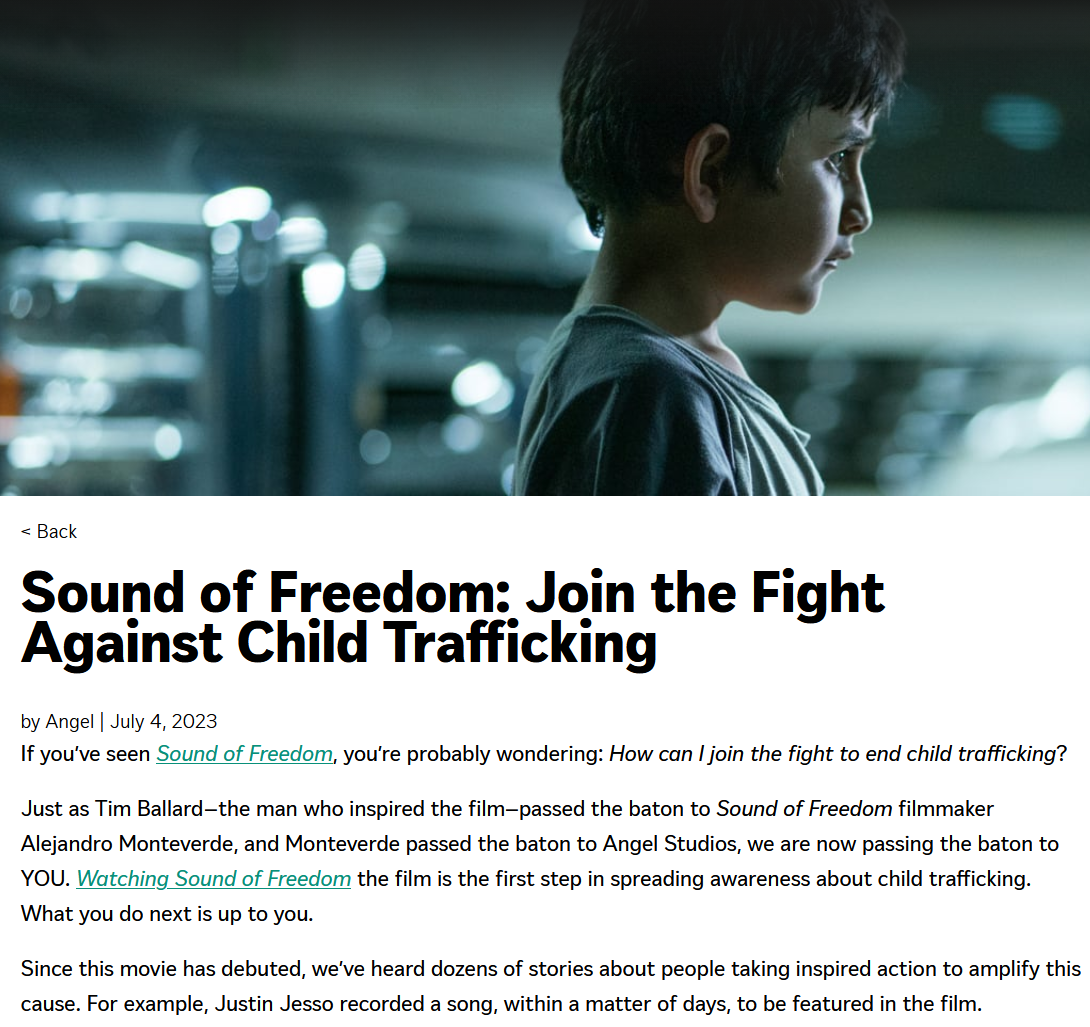
More information on SOUND OF FREEDOM from Angel Films’ website
“Sound of Freedom”, like many films before it (see below), was distributed and advertised through churches. By giving free tickets, or hosting screenings, by providing a work book and other materials to give the film the sheen of education and activism, Angel Studios tapped into a ready-made audience who were willing to accept the film from the moment they knew it existed.
Angel Studios’ website tells a story of a little guy just trying to spread the good word. Instead of being a subscriber you “join the Angel Guild” and become a messenger in their “community of members who’ve joined the mission to bring meaningful, inspiring, and worthwhile stories to life.”
Yes folks, you too can spread God’s word just by watching the TV. Hallelujah!
So what do we learn? If you start thinking about who your film is for as you’re making it, you can get ahead of the distribution process. Think about the beliefs, morals, questions, and community behind your production. What are the filmmakers’ core beliefs, how are they reflected in the film? Which communities are the cast and crew connected to and would they be interested in the film? Brainstorm and write this down, think about who you are aiming your film at - where do they lie on the gender spectrum? What are their core values? What makes them angry / sad / happy? What do they love and hate? Once you know who you’re talking to, you can start to explore the places - both on and offline - where those people are.
b. Brand positioning is everything
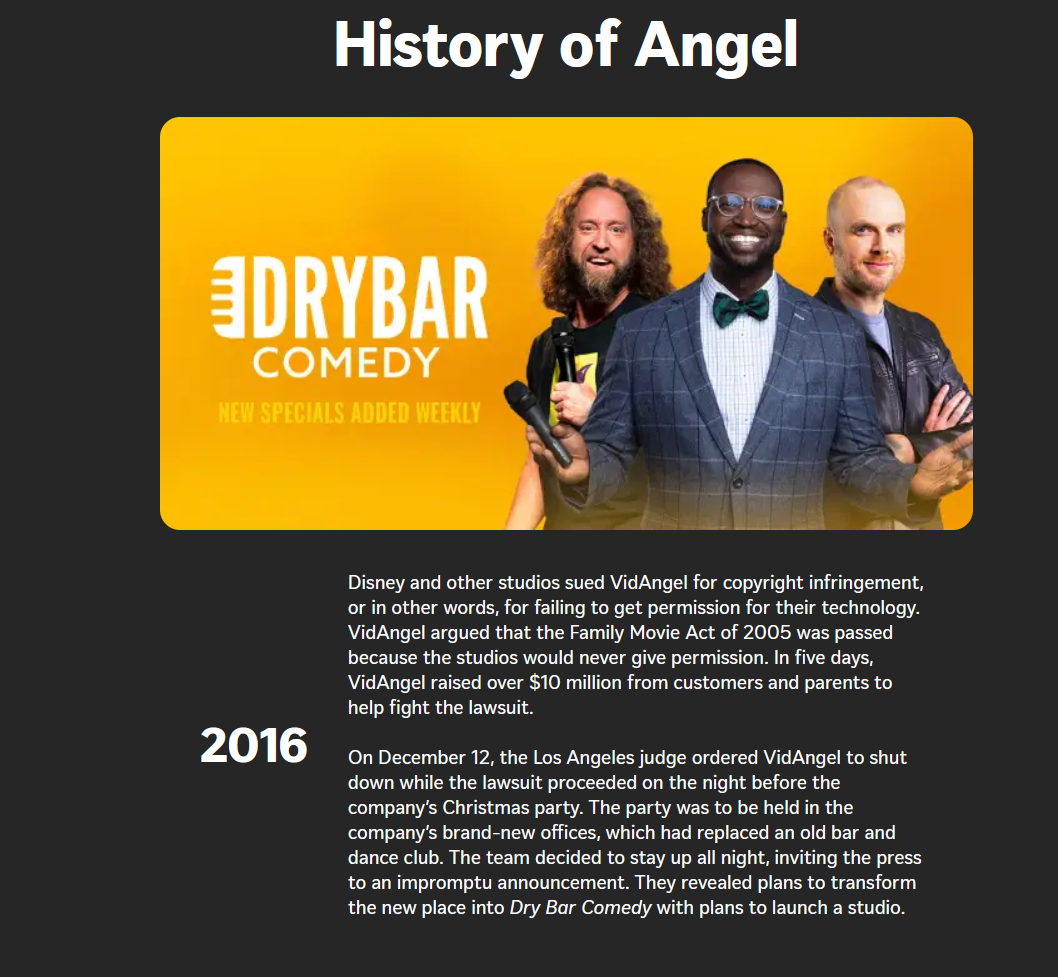
In their own words from their website…
Angel Studios position their origin story front and centre on their website, positioning themselves as David to the Goliath of the entertainment world. This is a tried and true method that works again and again, used by Fox News, Breitbart, Alex Jones and Infowars - all of the far-right media-grabbers like to position themselves as the harbinger of truth pitted against coastal elites who have all the power. Angel’s website talks in-depth about the lawsuit that Disney had against them in 2015:
“Disney and other studios sued VidAngel for copyright infringement, or in other words, for failing to get permission for their technology...In five days, VidAngel raised over $10 million from customers and parents to help fight the lawsuit.”
David versus Goliath is their whole marketing schtick. And it works, I mean, who doesn’t want to look like they’re fighting Disney’s faceless mega-corporation and winning?
They used this exact positioning before even releasing SOUND OF FREEDOM, engaging their “guild members” to vote on whether they should purchase the title that had been trapped in pre-distribution hell. Before acquiring the title they asked their guild to vote, before conducting a crowdfunding campaign to raise the funds for distribution and marketing - they reached their $5 million goal in just two weeks.
The messaging continued as Angel positioned themselves and their faith-based film as the underdog in the film world, while simultaneously releasing the film in the largest cinema chains across the country. In a quote in Variety, Brandon Purdie, head of theatrical distribution at Angel Studios, went on record to thank AMC, Cinemark and Regal, “for “having the courage to release ‘Sound of Freedom’ during the busiest movie season of the year.”
Angel saved SOUND OF FREEDOM from Disney’s evil shelf and then they were brave enough to distribute it to cinemas with the help of their ever-ready guild. Now that’s how you do crowdfunding, my friend.
c. Then you can ask them to put their money where their mouths are
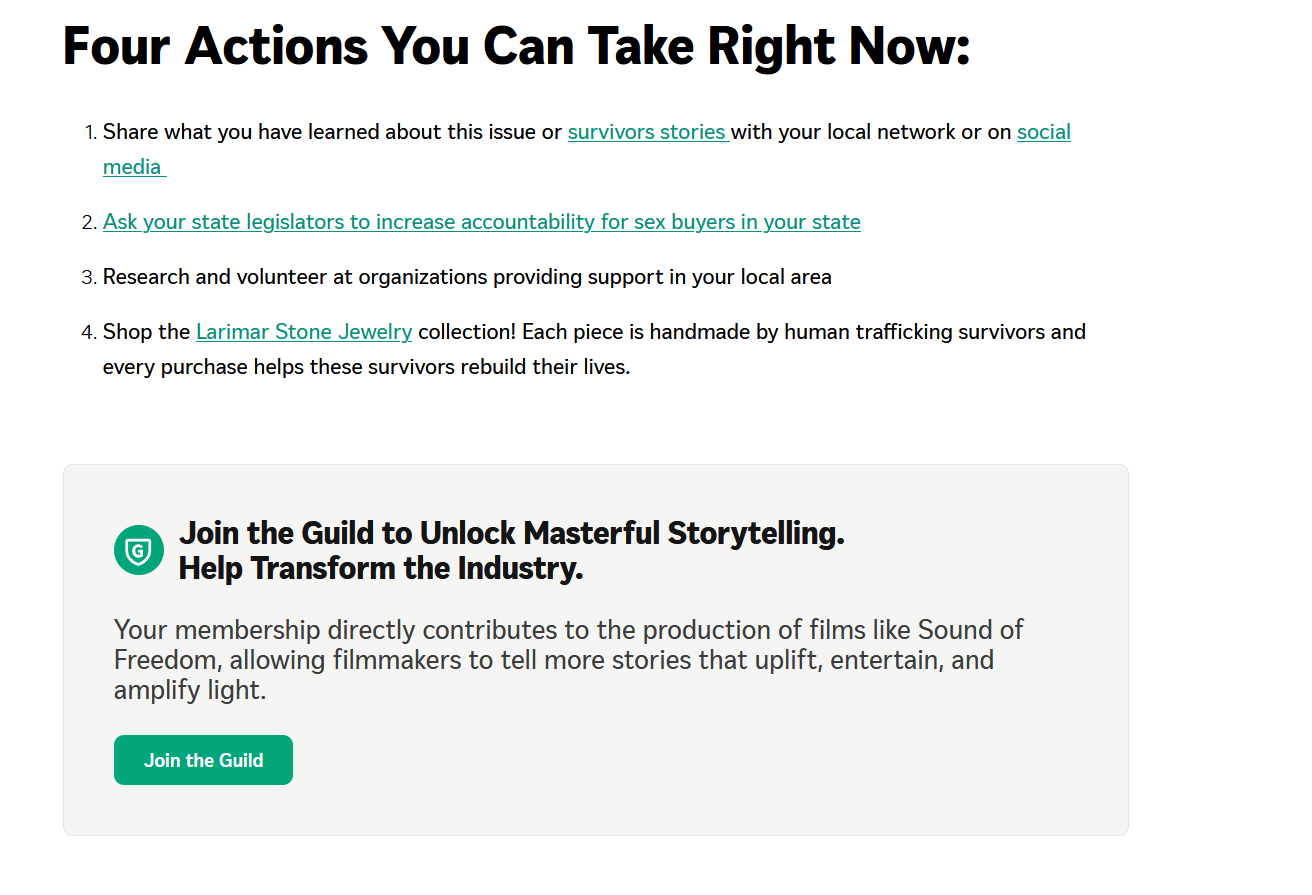
From Angel Studios’ website: Stop human trafficking by buying these products.
And once the audience feels like they are completely aligned in their beliefs with the organisation, they are asked to put their money where their beliefs lie.
At the end of SOUND OF FREEDOM, for those who haven’t seen it, Caviezel breaks character and the fourth wall to directly address the audience, explaining the importance of sharing the film with as many people as possible. A QR code appears on screen while you are urged to “pay it forward” to spread the word about the pressing danger of child trafficking. Yes sir, they fudged the ticket numbers in order to become one of the highest-grossing independent movies of all time.
And it was these exact strategies that catapulted SOUND OF FREEDOM to the top of the box office upon its release on July 4th. Audience members were transformed into, what Jared Geesey, the Senior Vice President of Global Distribution with Angel Studios described as “a ground-up, grassroots movement of everyday people who are making this an historic success.”
d. They aligned themselves with the alt-media
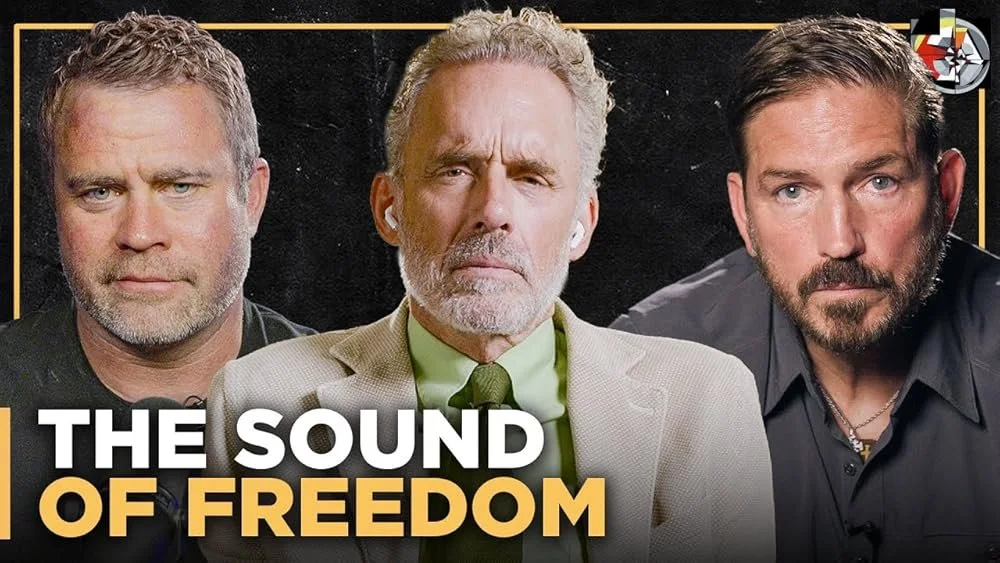
Image from Tim Ballard and Jim Caviezel’s appearance on the Jordan Peterson podcast
The press campaign for SOUND OF FREEDOM reached far outside the USA, relying on the right-wing press praising its anti-child trafficking position, sending Ballard to interviews with manosphere figures such as Jordan Peterson, where he spun tall tales straight from the Q-Anon handbook, and relied on the outrage of the mainstream press to carry the word after the film’s release.
Imagine, if you will, if we did this for good films? An appeal to take action based on the passion of the audience members? Would it work?
Angel Studios make films with messaging that plays into the culture wars that are distracting everyone while the planet burns, and they are excellent at utilising a media landscape built up to emphasise exactly their talking points. They have used the culture war to sell a film to true believers, and cult-ish language to appeal to the core values of their audience and enable them to take action. They utilised the negatives that could be levelled at the film to their advantage to spread the word, and, like the other films I’m about to explore, they used the existing structures of mega-churches to distribute tickets and information on the film.
Your ideas are powerful - remember that
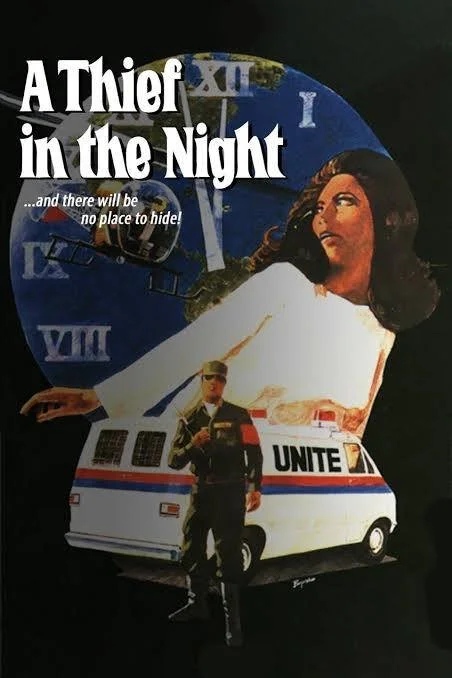
A classic?
Arguably, SOUND OF FREEDOM was just following a well-trodden groove left by previous evangelical low-budget heavy-hitters, like the OG rapture horror film A THIEF IN THE NIGHT, which was distributed through churches and youth groups for decades, or its rip-offs (I mean inspired-bys) LEFT BEHIND (the Kirk Cameron one) and LEFT BEHIND (the Nicholas Cage one.)
And while there are significant issues coming to light about the politics and belief structures of these films (yes #raptureanxiety is a thing), they were able to reach and engage an audience, walking so that Angel Studios could run.
But reaching and engaging is one thing, how about completely changing the views of a generation and playing the long game until they’re eventually enacted into law?
In 1977, then teenager Francis Schaeffer was invited to direct a televised version of his father, Dr. Francis Schaeffer’s Christian perspective on the rise and decline of western culture. HOW SHOULD WE THEN LIVE became a cult classic, relying upon distribution through church-based seminars. The distribution channels were provided through the Schaeffer family’s close ties to the evangelical movement, which was once-more galvanising following its moral defeat around segregation and civil rights.
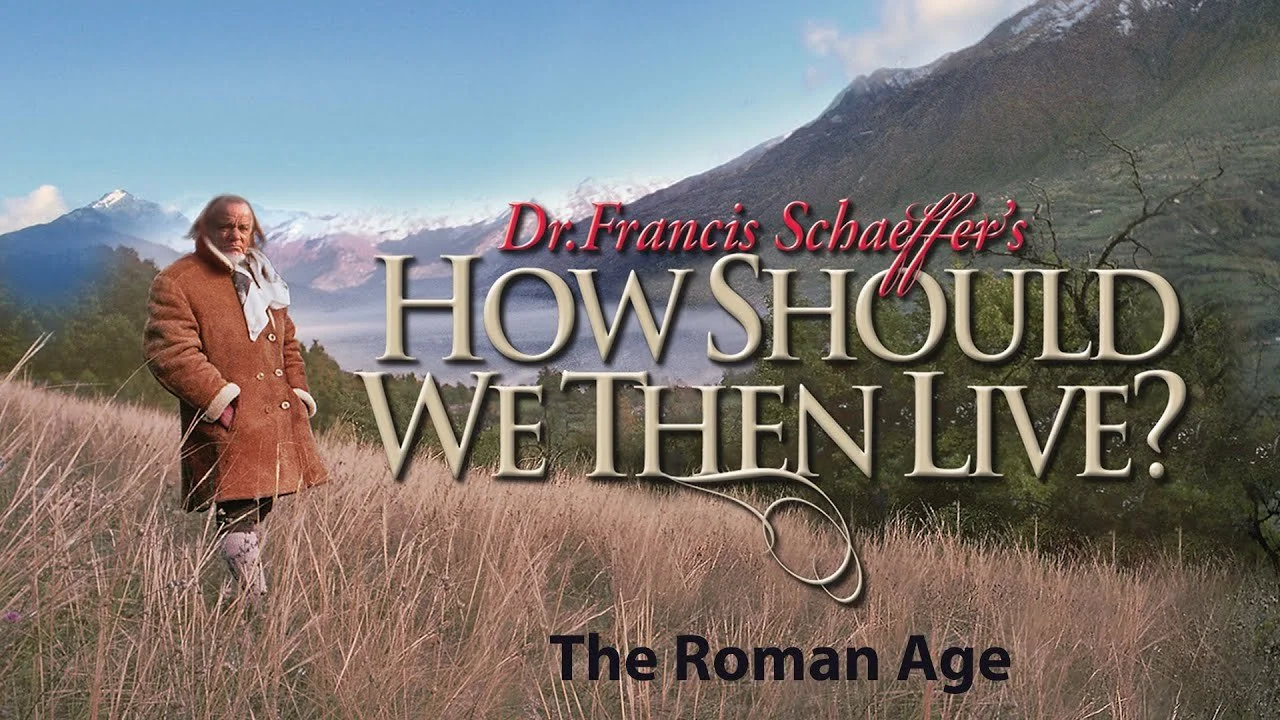
Like a sober Orson Welles wandering beside some serif font.
By directly reaching audiences who were already afraid of the creeping secular humanism in society, the series lived far beyond its projected lifespan - later being made available on VHS and DVD, and still available for streaming now.
In 1979, the team of the Schaeffers, now working with C. Everett Koop, (who would later be named Surgeon General under Ronald Regan), released the follow up series WHATEVER HAPPENED TO THE HUMAN RACE? It followed the same release strategy as its predecessor, but this time featuring a new piece of propaganda designed to convince the evangelical right to convert - and eventually vote - against women’s rights to abortion.
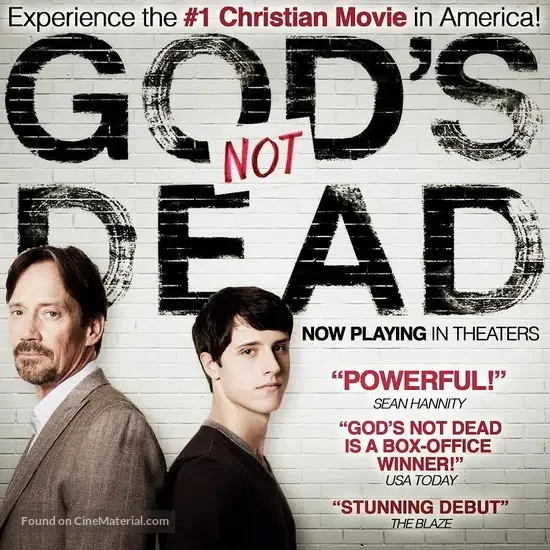
Oh bloody hell, not Sorbo.
Prior to the release of the film, the Christian right in America was largely pro–choice, including the head of the super-traditional Southern Baptist convention, with only Catholics believing that life began at conception. But, utilising the language of evangelical christianity, alongside strong visual imagery of doll parts washed up along the Dead Sea coast, and utilising churches as a distribution method - providing copies of the documentary along with a package of seminar materials for Pastors, enabled word to spread like wildfire.
Francis Schaeffer grew to eventually disown and speak out against the series - check out his interview on Jon Ronson’s podcast, it’s amazing, but the commitment to anti-choice rhetoric in evangelical voters has been laid for generations.
This distribution method has proved itself time and time again through films like “God’s Not Dead” and “The Passion of the Christ.” By distributing educational materials, bulk cinema tickets, and screening rights to churches, these films have aimed straight at a specific audience and figured out how to reach them where they are ready to be reached.
These methods can easily be translated into the secular world. You can even hire an Impact Producer to help you figure out who the communities you should be distributing to are based, how to reach them, and how to engage them with the messaging of your film.
If you don’t have access to an Impact Producer, you will have to do this yourself, but there are plenty of interviews and resources that you can tap into - I recommend starting with this interview on the Kinema Podcast. If you do have an Impact Producer - work with them from as early as possible.
Online distribution is all about timing
“Falsehood flies, and the Truth comes limping after it” said Jonathan Swift in 1710, which not only pretty much describes the last two decades of life on Earth, but also an effective case study when we think about film distribution.
OMG can we stop adding cartoon needles to everything? Some of us have phobias you know.
The viral 32 minute documentary film by Mikki Willis, PLANDEMIC begins by promising the audience a very convenient truth - one that promises release from the fear, panic, and destruction of the 2020 pandemic lockdown amid the spread of COVID-19.
It’s The Hero’s Journey - the protagonist, Dr. Mikovits, is David, up against the goliath of big pharma, who are trying to silence her. The documentary positions itself as amplifying one brave voice who “is now naming names of those behind the plague of corruption that places all human life in danger.” The forces they claim to be up against are almost insurmountable, draw the audience into a high stakes fight of good versus evil.
In her analysis “Everything’s going according to Plan(demic): a cultural sociological approach to conspiracy theorizing”, Bernadette Nadya Jaworsky describes the documentary as a “social drama” and “performative conspiracy...calling upon binary oppositions - science vs. blind faith, truth vs. deception, evidence vs. supposition.”
PLANDEMIC cost less than US$2,000 and, at 32-minutes, was a viral short film. Yay shorts?!
PLANDEMIC was the right piece of propaganda released at exactly the right time, made possibly by its low-budget and interview format which led to being produced exactly to suit the times. Prasad (2021) suggests that “The coronavirus pandemic has, in fact, become the new flashpoint in what has been called the post-truth era.” Indeed, PLANDEMIC's claims, dressed up in scientific-sounding rhetoric and delivered by a doctor, helped to fill a vacuum of information that was felt to be missing during the early days of the COVID-19 Pandemic.
Despite active programmes of deletion by Meta, Google, and eventually sort-of Twitter and TikTok, PLANDEMIC’s existence on really active online groups meant that for every deletion, it was re-uploaded over and over again, proving impossible to stamp out. It hit the internet at a flashpoint of public fear, culture wars, and online activation, promising its audience freedom from the prison of lockdown, and it changed everything.
a. Pick your platform, find your community online:
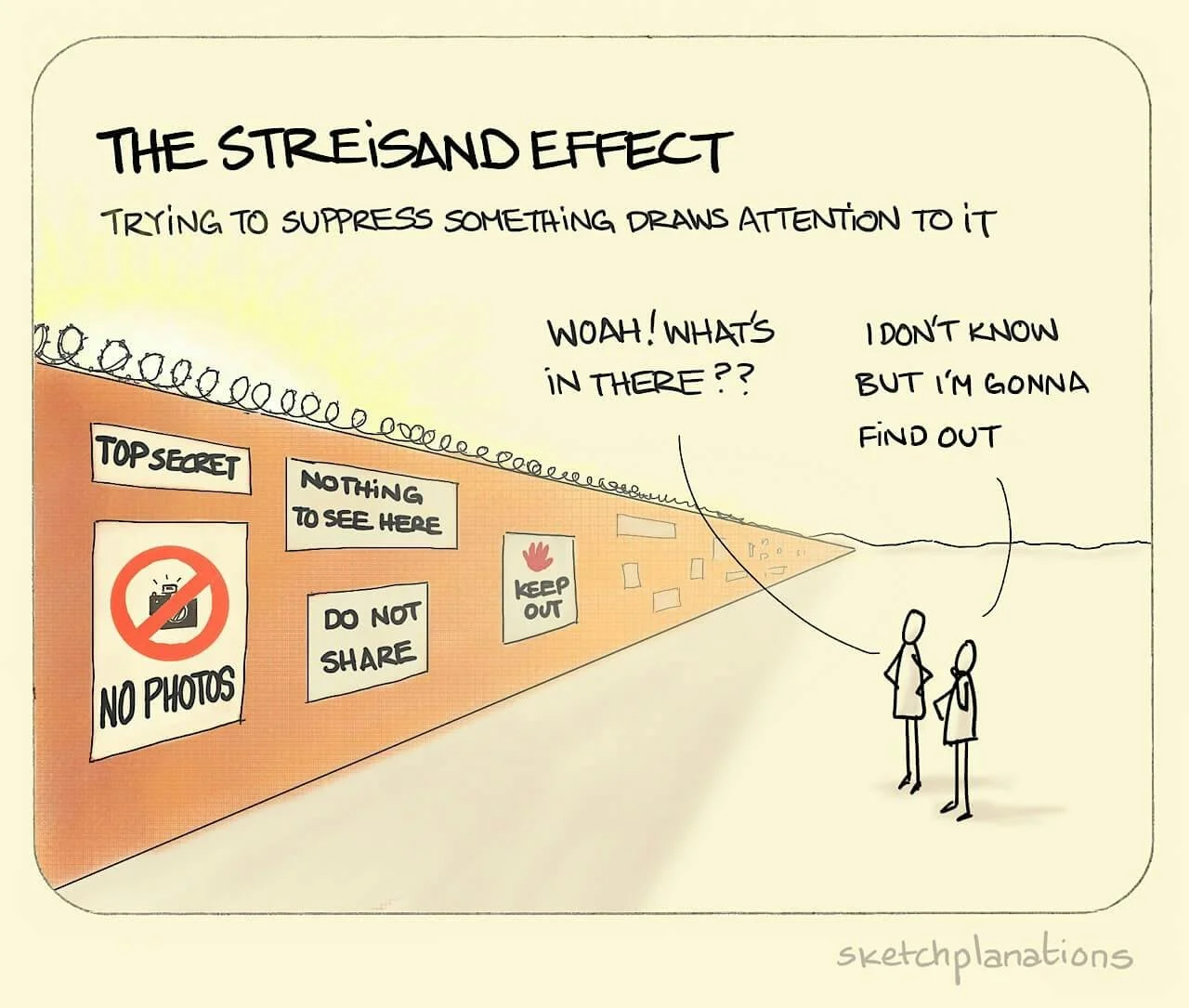
PLANDEMIC initially gained a lot of views through Facebook, namely Facebook groups, with posts targeting a network of active groups focusing on the anti-vax movement and the Q-Anon conspiracy theory. Once the video began being deleted by Meta, Google, et al, users of these accounts were activated to created thousands of mirrored copies to re-upload and share. As described by this piece on CBC News’ website:
“The censorship of the film created a “censorship backfire” “that was characterised as a form of Streisand effect.”
And it worked: “In early May 2020, 75% of respondents surveyed in the United States by IPSOS (2020) were “totally likely” to be vaccinated; just a few months later, only 51% would try the vaccine, even if widely available at a low cost (CNN/SRSS 2020)” ibid.
And while I’m not saying to spread easily believable and well-dressed lies, you should know exactly where your audience is active online when you aim for the eventual online release of your film. Where are your audience meeting and sharing online? How can you start to engage with them before you throw a film their way? What messaging in your film will activate a potential audience? Appeal to peoples’ passions, their core beliefs, and ask them to help spread the word. Also reward people for just showing up by giving them a sense of collective responsibility to spread the word. Everyone wants to belong - reward your audience with a sense of belonging, united by the themes of your film.
b. Rely on alternative media and alt-tech
PLANDEMIC’s timing was perfect, the networks it relied upon had already been set in motion following years of conspiracy theories coming into the mainstream such as Pizzagate, Q-Anon, and the cries of “false flag” events at the raft of violent tragedies that would strike in between.
These conspiracy theories were pushed by an increasingly popular alternative media, including Alex Jones’ Infowars, as well as being flirted with by Joe Rogan, the host of the most popular podcast in the world.
And again, I am not asking you to spread a lie, but rather to examine where the meaning in your film lies, and to distribute according to it. Are there platforms, influencers, or podcasts you could reach out to to discuss and share the themes you are examining? Put those in your media plan, no matter how niche, - in fact, the more niche the better.
The moral of the story? Be the change you want to see in the world
Everything is up in the air right now. Institutions are crumbling/ the world is reshaping itself. This is the time to find your community and support support support. Because we are not just filmmakers and distributors here, we are also community members and film lovers first and foremost.
Nothing gets made and shared in a vacuum. Remember to spend your time and money on the art and media that you believe in, and then engage with the communities around those. Join in your local scene and work with others to share all of the art you create.
We're entering a time of darkness and the only way we are going to make it through is by forming our own communities and sharing resources - be that time, money, skills. As filmmakers it is up to us to dream and share our vision for the next world. Whatever that may look like.
And you don’t even have to leave the house - talk about movies on social media - which movies do you love and why? Why not shout about them on your socials? Be a fan as well as a creator. That passion will also help you to engage with your audience.
Industry and fans are currently getting good at coming together to help shape what is happening - Industry calls around the latest terrifying studio mergers, and the dissolution of Creative Europe MEDIA, the calls for fans to buy Letterboxd. When we stand together, we can make a difference.
And when all else fails, go and check out Filmstack. I bet you won’t regret it.
—-----------------------
Notes
https://time.com/6304595/sound-of-freedom-controversy-success/
https://en.wikipedia.org/wiki/A_Thief_in_the_Night_(film)
https://www.dmcityview.com/des-moines-forgotten/2021/05/05/remembering-a-thief-in-the-night/